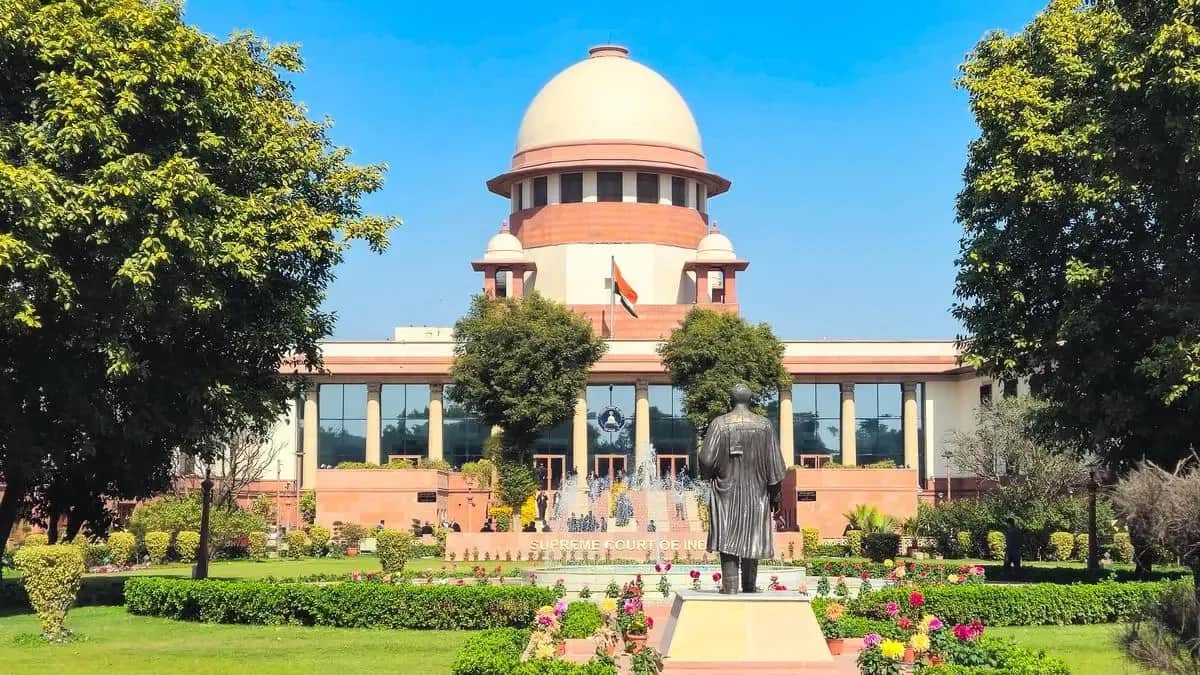
New Delhi: The Supreme Court on Thursday upheld a Madras High Court ruling that bars people from automatically claiming Tamil Nadu’s Backward Class (Muslim) reservation benefits solely on the basis of converting to Islam from Hinduism. Dismissing the Tamil Nadu government’s appeal, the court upheld the quashing of a state order that extended eligibility for the category to certain converts from other reserved communities.
According to The Indian Express the ruling says that a person’s social backwardness in their religious and social order does not automatically give them a right to reservation in a new community after conversion.
What Did the Supreme Court Say?
A bench of Justices Prashant Kumar Mishra and Shree Chandrashekhar kept the Madras High Court decision.
The court said that a person who moves from the Hindu order to a non‑Hindu social order cannot ask for affirmative action benefits under Article 16(4) just because of their old social status.
The ruling does not mean that every non‑Hindu cannot get reservation. The question before the court was whether just converting could give a person a place in a notified Backward Class community and the linked reservation benefits.
Sameer Ahamad vs The Secretary to the Government
The case started with a Tamil Nadu government order on March 9 2024. That order wanted to let people from Backward Classes, Most Backward Classes, Denotified Communities and Scheduled Castes who change to Islam be counted as members of Backward Class Muslim communities for reservation.
The matter went to court after Sameer Ahamed, who was born into a Hindu family and changed to Islam in 2015 asked for a community certificate that would call him a member of the Muslim Lebbai community.
The authorities turned down his application. He then went to the Madras High Court.
On June 25 2026 the High Court cancelled the state order. The Tamil Nadu government fought that decision at the Supreme Court saying the policy was meant to stop educationally disadvantaged people from losing reservation because of change in religion. The Supreme Court has now rejected that appeal.
What About Scheduled Caste Reservation?
The Supreme Court also looked at Paragraph 3 of the Constitution (Scheduled Castes) Order, 1950. That rule says that Scheduled Caste status is for people who follow Hinduism, Sikhism or Buddhism as long as the law allows.
So a person who changes to Islam cannot get Scheduled Caste status because of their old caste identity. This rule is different from the rules that set out Backward Classes and state Backward Class categories.
Does This Mean Non‑Hindus Cannot Get Reservation?
No. The ruling is not a blanket ban on reservation for every non‑Hindu. Muslim communities that are listed as classes by state or central lists can still qualify for reservation if they meet the right conditions.
The main question in this case was whether a person could automatically join a notified Muslim backward‑class group by converting from Hinduism because of their old caste or community status.
The judgment brings focus to how religious conversion, caste identity and affirmative action connect in India. It also raises questions about how the law sees social disadvantage when a person changes religion.
"New Delhi: The Supreme Court on Thursday upheld a Madras High Court ruling that bars people from automatically claiming Tamil Nadu’s Backwar…"