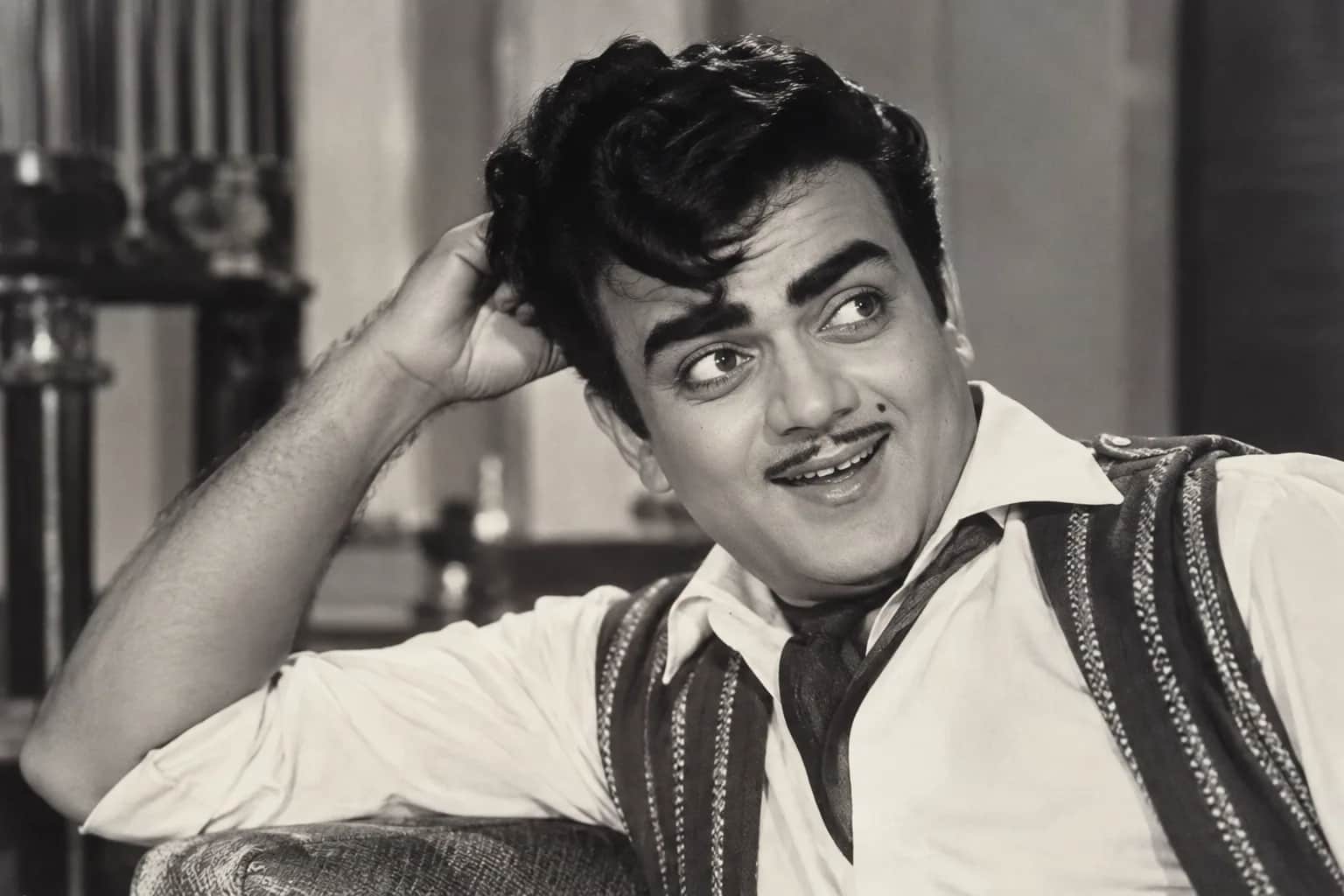
Mehmood, also known as the original Bhaijaan, who debuted as a child actor in the Ashok Kumar starrer Kismet (1943), eventually became Hindi cinema's greatest comedy icon. He was not just a typical, happy-go-lucky performer; his monumental stardom was both unprecedented and unmatched.
Mehmood was born to Latifunnisa and film and stage actor/dancer Mumtaz Ali on 29th September, 1932. He had to start working at an early age due to financial difficulties and the downfall of his father’s once-successful dance troupe, “Mumtaz Ali Nites”. He did odd jobs and performed small roles in films in the initial phase of his career before Guru Dutt offered him supporting roles in films such as C.I.D. (1956) and Pyaasa (1957).
A Superstar is born
But Sasural (1961) became the major turning point in his career, establishing him as a comic performer. He was paired with Shubha Khote and partnered in successful comedies such as Love in Tokyo (1966), Bharosa (1963), and Grahasti (1963). Mehmood further solidified his stardom in the 1960s and 70s with films such as Pyar Kiye Jaa (1966), Humjoli (1970), Padosan (1968), Gumnaam (1965), Waris (1969), Sabse Bada Rupaiya (1976) and the Johar-Mehmood series, to name a few.
A five-time Filmfare Award winner, Mehmood seamlessly blended brilliant acting with show-stopping dance moves. His unmatched rhythm anchors some of Hindi cinema's most enduring tracks, including Ik Chatur Naar Badi Hoshiyaar, Aao Twist Karein, Chanda O Chanda, and Hum Kaale Hain Toh Kya Hua.
At the peak of his career, Mehmood took more fees than the lead actors of the films. Reports suggest he charged seven and a half lakhs for just two weeks of work.
A Visionary Filmmaker
Mehmood swiftly transitioned into direction and production. He directed the cult classic Kunwara Baap (1974) and one of the earliest horror comedies Bhoot Bungla (1965). Mehmood also directed the film Ek Baap Chhe Bete (1978) starring Mehmood alongside his real-life sons Lucky Ali, Manzoor Ali, Macky Ali, Masoom Ali, Pucky Ali and Mansoor Ali and his wife Tracy Ali.
Mehmood once brought goats for song recording in Dharmendra’s studio. In an interview with Doordarshan he said,
“I brought hijras to sing Saj rahi Gali Meri Maa.”
Mehmood helped the careers of then-struggling Amitabh Bachchan and Aruna Irani by casting them in Bombay to Goa (1972). When renowned RJ Ameen Sayani once asked him about his horses, Mehmood reportedly replied,
"The fastest horse is Amitabh. The day he picks up speed, he will leave everyone behind."
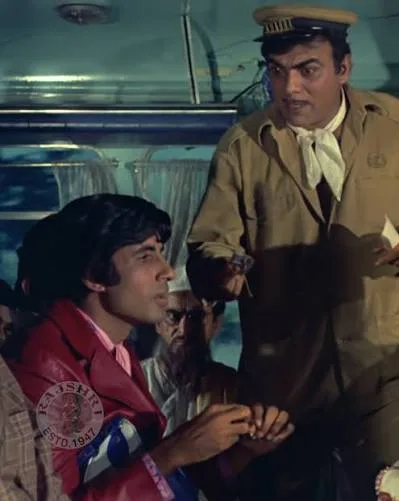
Bombay to Goa, Amitabh and Mehmood
Aruna Irani also credited Mehmood with shaping her career. However, in a recent interview with Zoom, she said,
“Mehmood exploited me. He said everywhere that we were married, which eventually dried up my film offers. We eventually parted ways.”
The Downfall and Later Years
Mehmood eventually stopped working in the 1980s to start his own business, such as farming. But he returned to films after he realised filmmaking was his passion.
“I missed the smell of the makeup room, and whenever I used to see my makeup box, I felt like applying it and performing,”
he said.
The rise of character actors and comic actors such as Asrani, Kader Khan, Johnny Lever, and Paresh Rawal limited his chances to make a comeback. His relationship with his sons also deteriorated. One of his sons went on to become a pop superstar, Lucky Ali.
In an interview with WildFilmsIndia, Mehmood spoke about the emotional strain his relationships had caused him. He acknowledged that being married while maintaining relationships with several other women had left him struggling to cope, describing his complicated love life as “bhelpuri” and questioning how he could escape from it.
He appeared in a handful of films in the 1990s before undergoing bypass surgery in 1999. In his last days, he was on oxygen support. He flew off to the United States with his wife, Tracy, to avail of better facilities. Mehmood passed away on 23rd July, 2004, in the United States.
The Legacy Continues
Mehmood is not often remembered as he should be. His films were iconic, and so was his lifestyle. His stardom was unprecedented, and his legacy is unmatched. Bhaijaan was known for his big heart and helping nature, and his legacy continues to inspire millions.
Having witnessed both his father's career and his own monumental superstardom, Mehmood saw it all while remaining humble and resilient.
Mehmood may not be remembered as much today as he once was, but his songs, characters and unique comic timing still live on in Hindi cinema. He was never just a comedian. He was a superstar in his own right, and perhaps it is time we remembered him that way.
"Mehmood, also known as the original Bhaijaan, who debuted as a child actor in the Ashok Kumar starrer Kismet (1943), eventually became Hindi…"