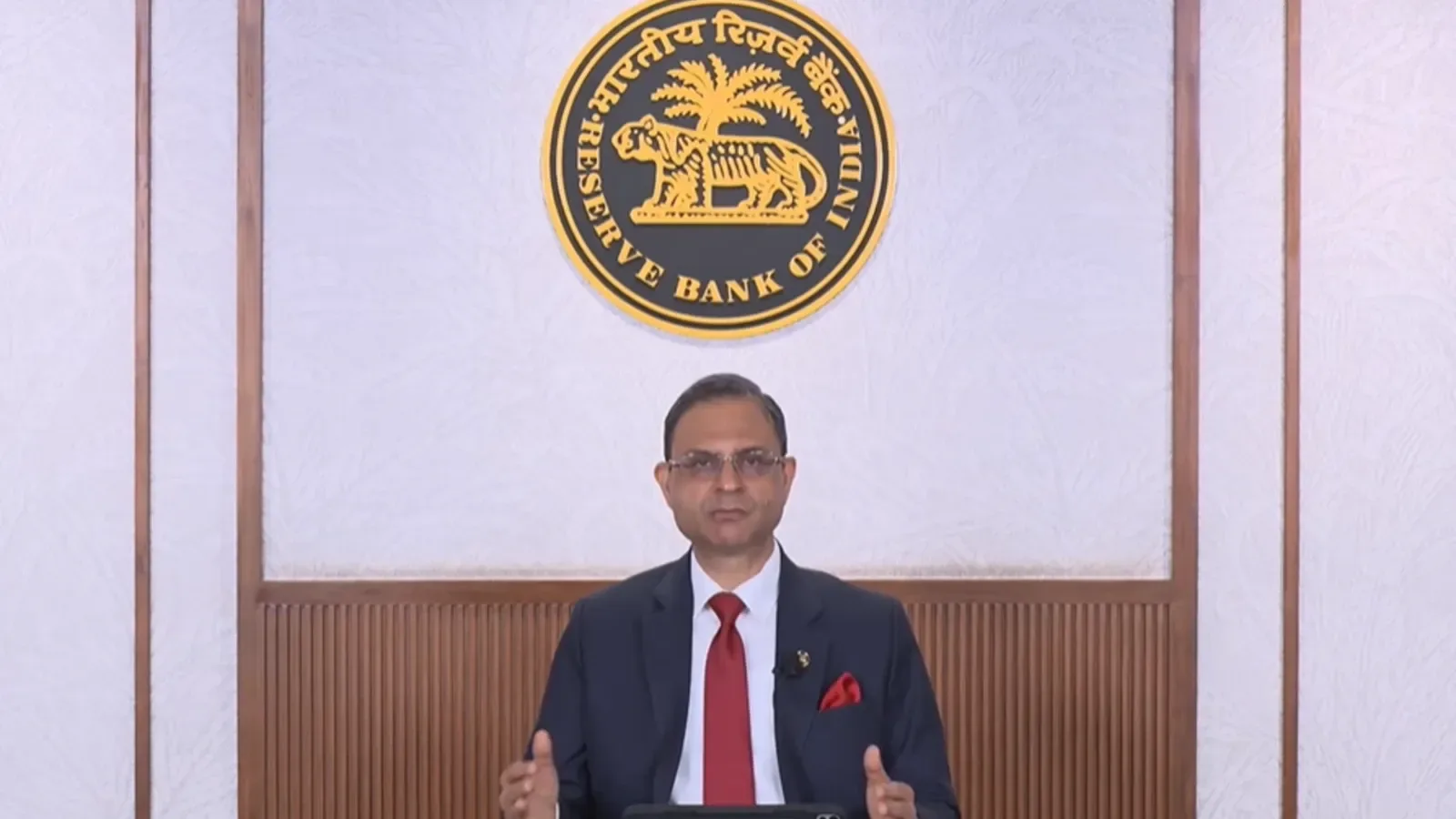
The Reserve Bank of India (RBI) announced key decisions from the bi-monthly meeting of the Monetary Policy Committee (MPC) today. The committee decided to increase the current repo rate from 5.25% to 5.50%, with an increase of 25 basis points (0.25 percentage point).
The bi-monthly Monetary Policy Committee, which meets every two months, plays a key role in regulating the country’s monetary policy. The meeting was scheduled from October 5 and concluded today. The meeting was attended by three external members, RBI Deputy Governor Dr. Poonam Gupta, RBI Executive Director Indranil Bhattacharyya, and was chaired by RBI Governor Sanjay Malhotra.
What are the key conclusions of the committee?
- Real GDP growth turned up to 7.8% in Q1 FY2026-27, compared with 6.9% a year earlier.
- The repo rate was increased by 25 basis points, or 0.25 percentage point, from 5.25% to 5.50%. This was the first repo rate hike in this cycle after the previous period of rate reductions.
- The committee report states that manufacturing and services recorded strong growth, while private consumption remained healthy. Gross fixed capital formation recorded double-digit growth.
Inflation surge behind the rate change?
As per the report, headline CPI inflation increaseTd from 3.5% in April 2026 to 4.8% in August 2026.
According to the RBI, inflation moved above the target during June-August, with food and fuel being major contributors. Inflation in food and beverages increased to 5.7%, while the RBI noted signs of broadening price pressures.
El Niño and weather influencing the economy
According to the report, El Niño is expected to remain a factor through the end of 2026 and into the first half of 2027. The report highlighted possible risks to agricultural output and reservoir replenishment, making weather conditions an important factor in the inflation outlook.
West Asia crisis and crude oil developments
The ongoing West Asia conflict has affected global energy markets and contributed to volatility in crude oil prices.
Higher crude oil prices can increase India’s import bill. Higher energy prices can also affect domestic fuel prices and input costs across various sectors.
What does the report tell about Liquidity ?
According to the policy report , system liquidity surplus increased significantly during H1 FY2026-27 as average daily absorption under LAF was rs 3.21 lakh crore in H1 FY2026 -27 and in FY2025 it was rs 1.43 lakh crore . It has been noted that capital inflows and government cash balances were major drivers.
"The Reserve Bank of India (RBI) announced key decisions from the bi-monthly meeting of the Monetary Policy Committee (MPC) today. The commit…"