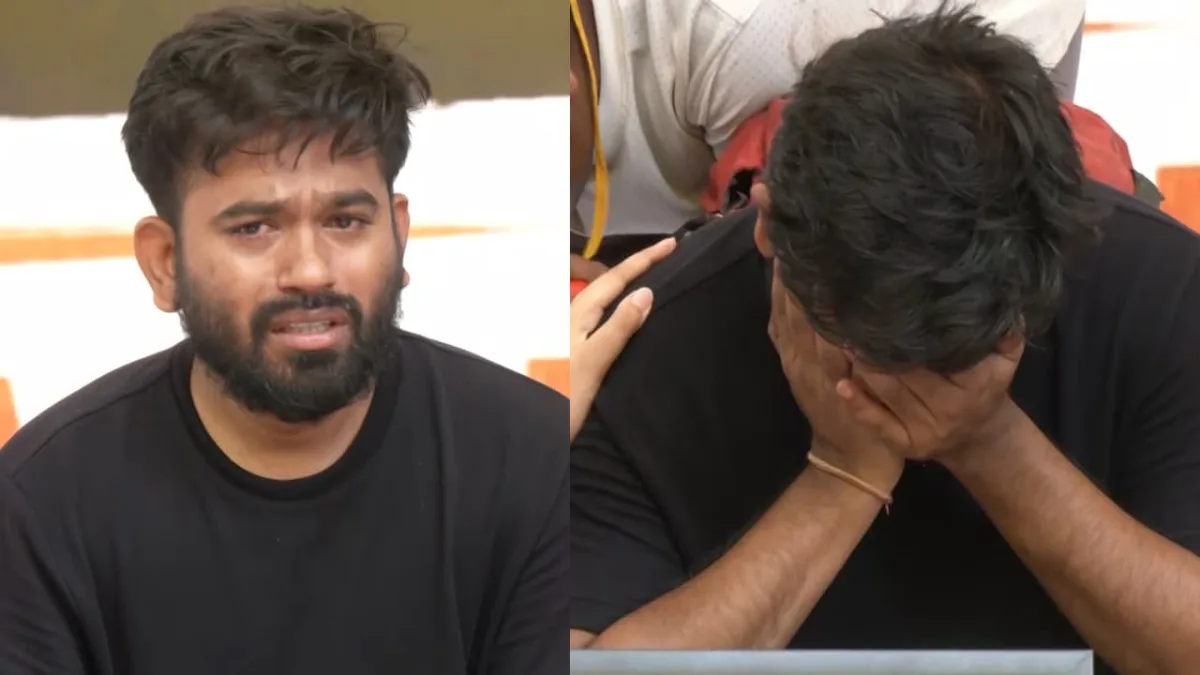
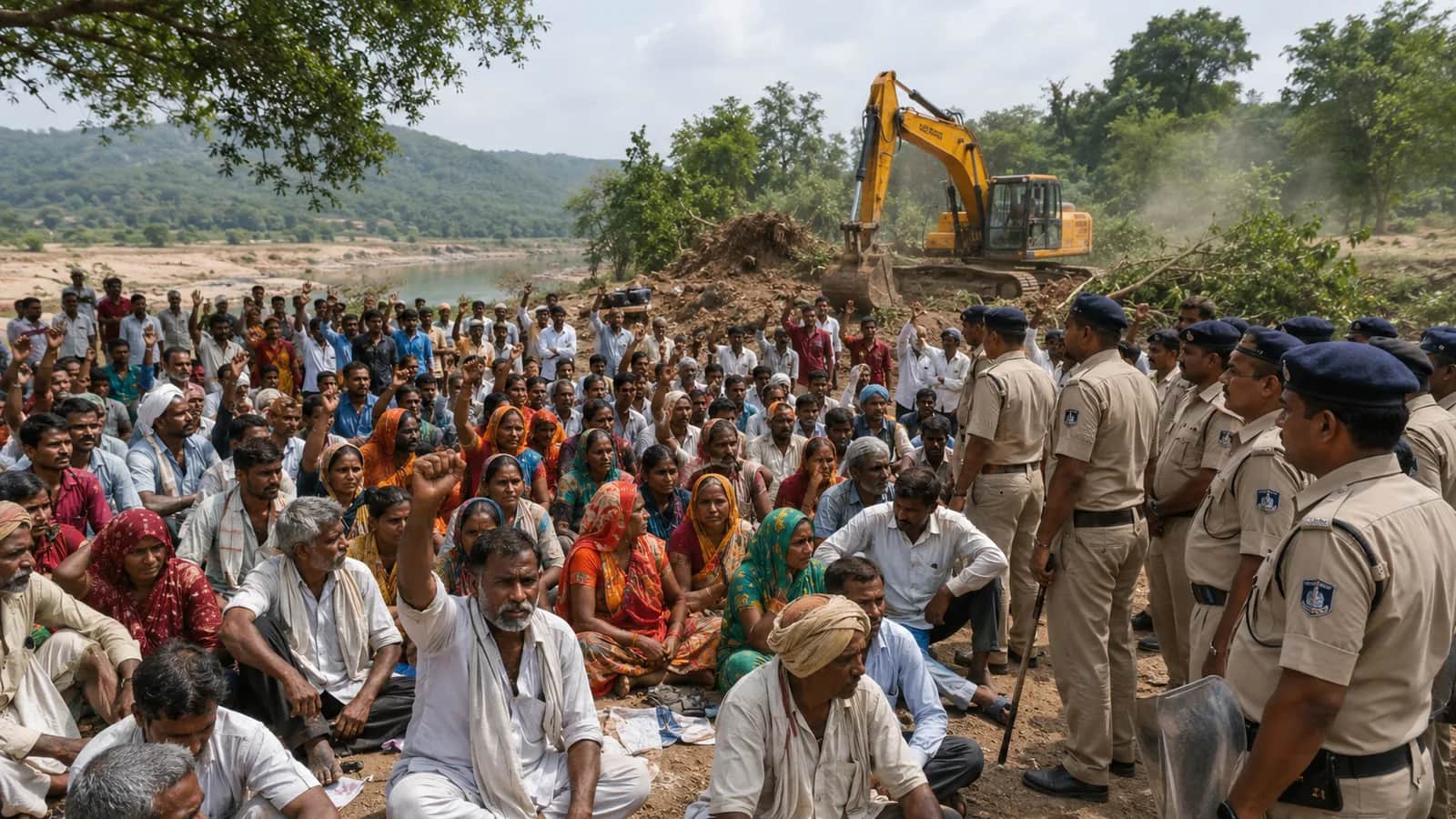
For nearly two weeks, a group of villagers, activists and local residents sat in protest in Madhya Pradesh's Chhatarpur district. Their demand was simple: pause the ongoing work linked to the Ken-Betwa Link Project until the concerns of affected communities are heard.
On July 19, that protest came to an abrupt end when police cleared the site and sent demonstrators back to their villages. Some protesters alleged that movement leader Amit Bhatnagar was detained during the operation, a claim the police denied.
But while the protest has been dispersed, the questions it raised remain very much alive. The Ken-Betwa Link Project has often been described as a game changer for Bundelkhand, a region that has battled water scarcity, failed monsoons and crop losses for decades. Supporters see it as a long-awaited answer to the area's chronic drought. Opponents, however, believe the price of that development is being paid by forests, wildlife and families who now face the possibility of losing their homes.
A dream that took decades
The idea of linking the Ken and Betwa rivers is not new. It was first proposed in the 1980s as part of India's ambitious river-linking programme, which aims to move water from river basins considered water-surplus to those facing shortages.
After years of technical studies, legal hurdles and negotiations between Madhya Pradesh and Uttar Pradesh over water sharing, the project finally received a green signal from the Union Cabinet in 2021. Prime Minister Narendra Modi laid its foundation stone in December 2024, calling it a milestone for the drought-hit Bundelkhand region.
Once completed, the project is expected to irrigate more than 10 lakh hectares of farmland, supply drinking water to millions of people and generate hydroelectric power. For many villages where water shortages have become a way of life, those promises offer real hope.
Then why are people protesting?
The recent agitation was not because people oppose development itself. Many of those protesting agree that Bundelkhand needs better water management. Their concern is about how the project is moving forward.
Villagers say construction work, land acquisition and the clearing of forests are progressing while many affected families are still waiting for clarity on compensation and rehabilitation. Several residents fear they will lose fertile farmland, grazing areas and homes that have been in their families for generations.
For them, the issue is deeply personal. A piece of land is not just property, it is a source of income, identity and security. Many protesters argue that they are not against progress, but they want development that does not leave them behind.
The project has also triggered serious environmental concerns. Its biggest component, the Daudhan Dam, will partially submerge the Panna Tiger Reserve, one of India's most successful tiger conservation stories. Environmentalists warn that thousands of hectares of forest could disappear under water, affecting wildlife habitats and the river's fragile ecosystem.
Some water experts have raised another question: does the Ken River actually have enough surplus water to spare? With rainfall patterns becoming increasingly unpredictable due to climate change, they argue that long-term water availability should be reassessed before such a massive diversion takes place.
Two very different perspectives
For supporters, the Ken-Betwa Project represents opportunity. Better irrigation could improve agricultural productivity, drinking water could become more reliable, and employment opportunities could reduce migration from Bundelkhand.
The government has repeatedly said that the project has received all required environmental approvals and that rehabilitation and compensation packages are being provided to affected families.
Critics, however, believe that development cannot be measured only in kilometres of canals or megawatts of electricity. They argue that the real test is whether people who sacrifice their homes and forests are treated fairly and whether environmental damage can truly be compensated.
More than just a river-linking project
The police action may have brought the Chhatarpur protest to an end, but it has also highlighted a larger debate that India continues to face.
How do you build the infrastructure needed for growth without displacing communities that have lived on the land for generations? Can development and conservation move together, or will one always come at the cost of the other?
The Ken-Betwa Project was conceived as a solution to a water crisis. Today, it has become a reminder that solving one problem can sometimes create new ones. As construction moves ahead, its success will depend not only on engineering and investment but also on whether it can earn the trust of the people whose lives are changing because of it.
"For nearly two weeks, a group of villagers, activists and local residents sat in protest in Madhya Pradesh's Chhatarpur district. Their dema…"