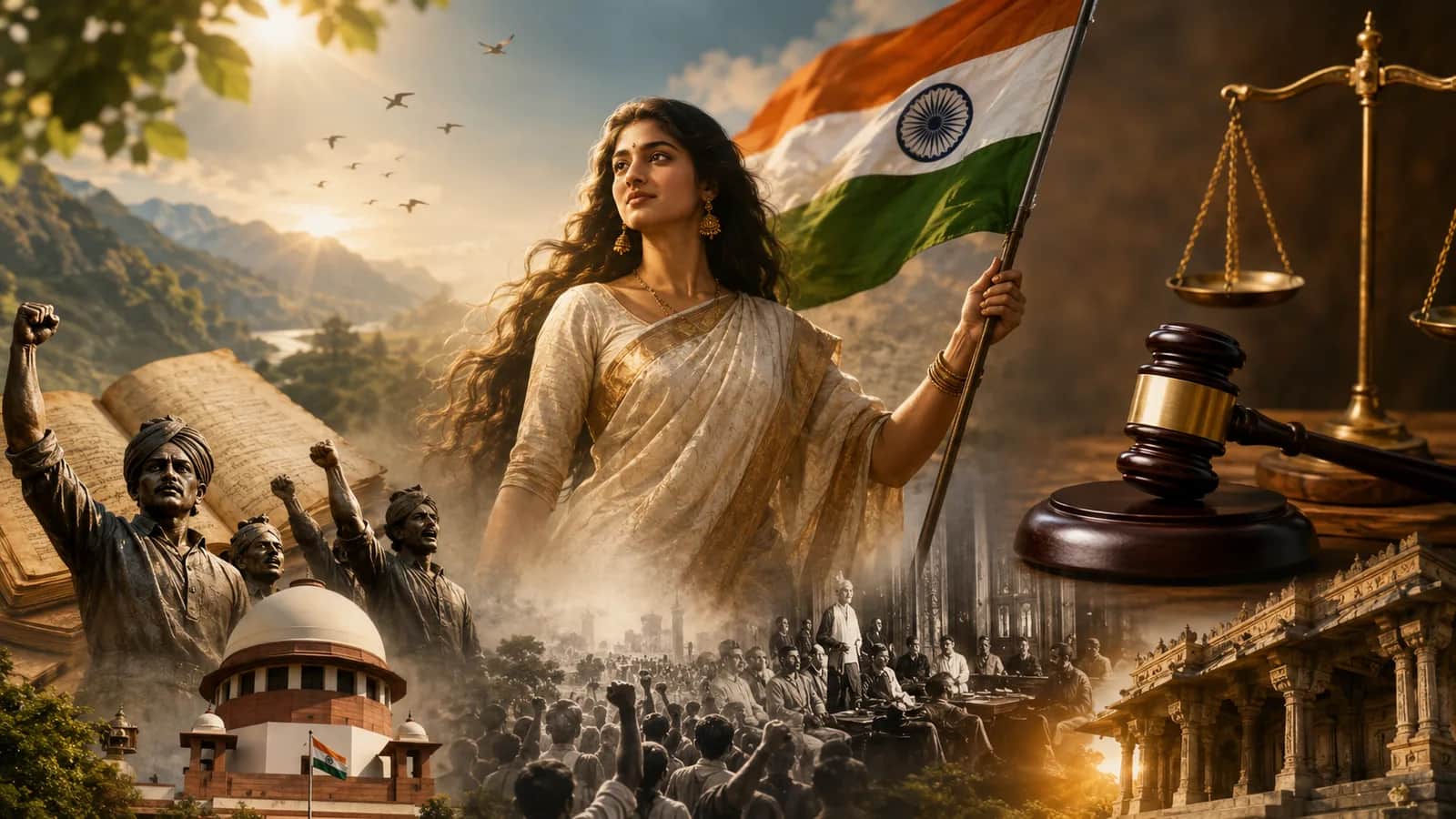
Few songs have shaped India's history the way Vande Mataram has. For generations, it has echoed through freedom marches, political rallies, classrooms and national celebrations. Now, nearly 150 years after it was first written, the iconic song is once again at the heart of a national conversation.
The Central government is set to introduce the Prevention of Insults to National Honour (Amendment) Bill, 2026 in the Rajya Sabha on the first day of the Monsoon Session. The Bill, likely to be introduced by Union Home Minister Amit Shah, proposes to give Vande Mataram the same legal protection currently enjoyed by the national anthem, Jana Gana Mana.
If the amendment becomes law, deliberately preventing, disrupting or insulting the singing of Vande Mataram could become a criminal offence punishable with up to three years in prison, a fine, or both.
While supporters see it as a long-overdue recognition of the song's place in India's freedom struggle, critics argue that patriotism should come from the heart, not from the fear of legal consequences. The proposal has once again revived an old debate, one that has followed Vande Mataram for decades.
What exactly is changing?
The law that protects India's national symbols today is the Prevention of Insults to National Honour Act, 1971. It already makes it a criminal offence to insult the National Flag, disrespect the Constitution, or intentionally disrupt the singing of the National Anthem, Jana Gana Mana. But there has always been one noticeable difference.
Although Vande Mataram is India's National Song, it has never received the same legal protection as the national anthem. The proposed amendment seeks to bridge that gap. If passed by Parliament, Vande Mataram would be treated on par with Jana Gana Mana under the law when it comes to deliberate obstruction or insult.
A song that became the voice of a nation
To understand why this proposal matters, it helps to go back nearly a century and a half. The story of Vande Mataram begins not in Parliament, but in the mind of Bengali writer Bankim Chandra Chattopadhyay.
Around 1875, when India was under British rule, he wrote a poem that celebrated the country as a nurturing mother. It wasn't written as a political slogan. It was a tribute to the land itself, its rivers, fields, forests and beauty. A few years later, in 1882, Bankim included the poem in his novel Anandamath.
At the time, he probably could not have imagined that those two words- Vande Mataram, would one day become the heartbeat of India's freedom movement.
When poetry turned into protest
The song slowly gained popularity before taking centre stage in 1896, when Rabindranath Tagore sang it at the Indian National Congress session in Calcutta. People connected with it instantly. But it was 1905 that truly changed everything. When the British partitioned Bengal, thousands poured onto the streets in protest. They boycotted British goods, organised rallies and demanded self-rule. Wherever those demonstrations went, one slogan followed:
"Vande Mataram!"
Students shouted it during marches. Freedom fighters raised it while facing arrests. Revolutionaries carried it to the gallows. For many Indians living under colonial rule, those words represented courage, sacrifice and hope. The British administration understood its emotional power too. Over time, authorities began restricting its public use because it had become closely associated with the growing independence movement.
Why did the song become controversial?
Despite its popularity, Vande Mataram was never free from debate. The disagreement wasn't really about the opening lines that most people know today. It was about the later verses. In those stanzas, Mother India is described using imagery associated with Hindu goddesses such as Durga and Lakshmi. Some Muslim organisations felt that singing those verses conflicted with their religious beliefs. They argued that while they deeply respected the country, worshipping the nation in a religious sense was different.
As India's freedom movement brought together people from different faiths and communities, leaders realised they needed a solution that respected both national unity and religious diversity.
The compromise that still exists today
In 1937, the Indian National Congress formed a committee that included some of the country's tallest leaders- Jawaharlal Nehru, Maulana Abul Kalam Azad, Subhas Chandra Bose and Rabindranath Tagore. After studying the issue, they reached a practical compromise.
They recommended that only the first two stanzas of Vande Mataram should be used in public and official functions because those verses simply celebrate the beauty of the motherland and contain no religious references. That decision continues to shape how the song is sung even today. Whenever Vande Mataram is performed at government events or official ceremonies, it is almost always these first two stanzas that are used. The rest of the song remains part of the original literary work, but not part of official practice.
The debate before India became a Republic
As Independence approached, another important question emerged. Should Vande Mataram, the song that had inspired countless freedom fighters, become India's National Anthem? Or should that honour go to Jana Gana Mana? The Constituent Assembly debated the issue carefully. Vande Mataram carried immense emotional value because of its role in the freedom struggle. Jana Gana Mana, however, was shorter, easier to perform at official occasions and free from the controversies surrounding the later verses of Vande Mataram. Rather than choosing one over the other completely, the Assembly decided to honour both.
On January 24, 1950, just two days before India became a Republic:
- Jana Gana Mana was adopted as the National Anthem.
- Vande Mataram was recognised as the National Song.
- The Assembly also agreed that the first two stanzas of Vande Mataram would enjoy equal respect and honour, even though they would not have the same legal status.
That arrangement has remained unchanged for more than 75 years.
Has Vande Mataram ever been changed?
Not really.
The lyrics written by Bankim Chandra Chattopadhyay remain exactly as they were. What changed was how the country chose to use the song. Originally, the entire composition from Anandamath was sung. After 1937, official events adopted only the first two stanzas, a practice that continues today. In other words, the words never changed, the official version did.
What has the Supreme Court said?
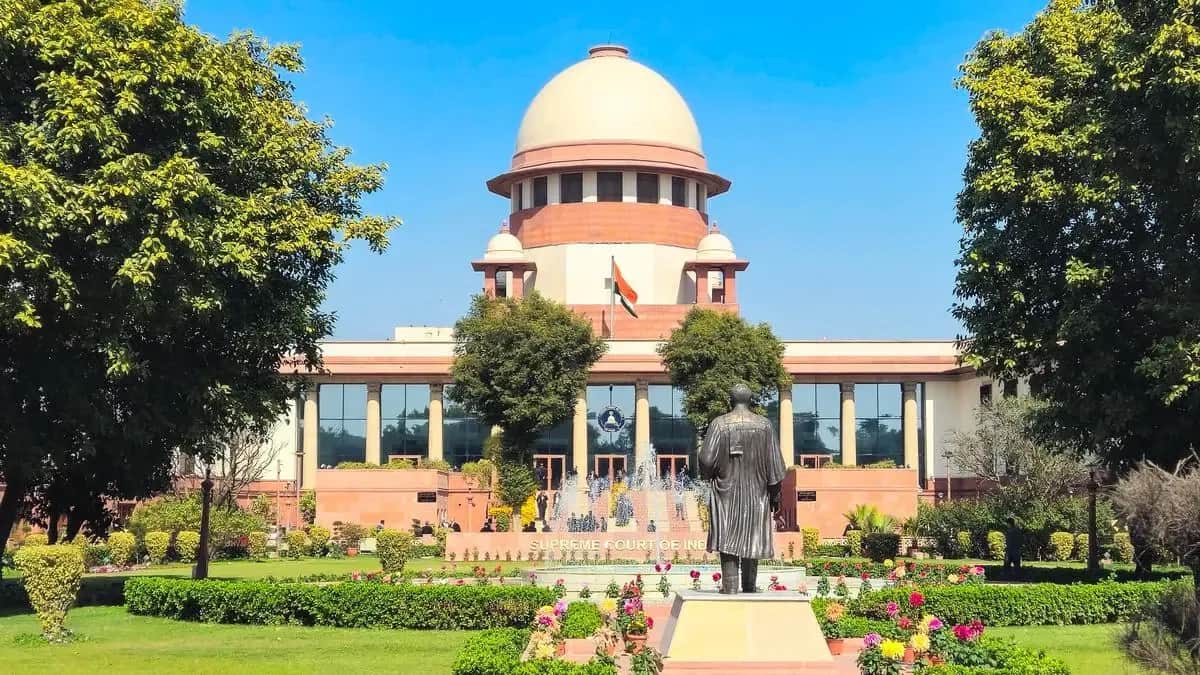
Questions around Vande Mataram have reached the courts several times over the years. Earlier this year, while hearing a petition over a government circular encouraging people to sing the song, the Supreme Court was informed by the Centre that the circular was purely advisory. In other words, there was no legal punishment for choosing not to sing it. The proposed amendment could change that, but only in cases where someone deliberately prevents or disrupts its singing.
If the bill becomes law then the practical impact would be straightforward. Anyone who intentionally interrupts, obstructs or insults the singing of Vande Mataram could face:
- Up to three years' imprisonment,
- A fine, or
- Both
The government says the amendment is intended to protect a song that occupies a special place in India's history.
Just a legal debate?
The discussion around Vande Mataram has never been only about a song. For some, it represents the spirit of India's freedom struggle, the words that inspired ordinary people to challenge colonial rule. For others, the conversation is also about protecting constitutional freedoms and ensuring that expressions of patriotism remain voluntary. That is why this Bill is likely to generate discussion far beyond Parliament.
It is not simply about changing one section of a law. It is about how India chooses to honour a song that has travelled an extraordinary journey, from the pages of a Bengali novel, to the streets of the freedom movement and now once again to the floor of Parliament.
"Few songs have shaped India's history the way Vande Mataram has. For generations, it has echoed through freedom marches, political rallies, …"