
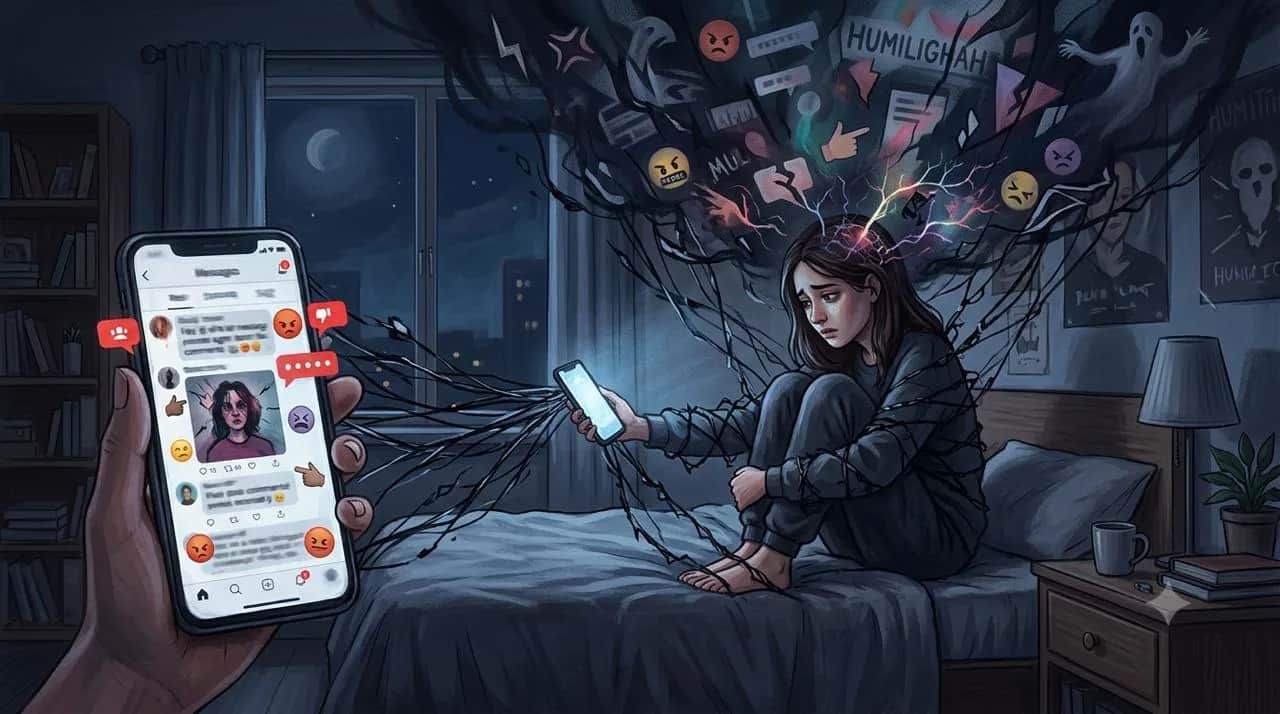
For most of us, the day begins and ends with a phone in our hands. We scroll through Instagram, reply to WhatsApp messages, watch videos, or post updates about our lives. The internet has made staying connected easier than ever, but it has also made it easier to hurt someone.
Cyberbullying isn't always loud or obvious. Sometimes it starts with a sarcastic comment, a humiliating meme, an edited photograph, or a rumour shared online. What may seem like a joke to one person can become a nightmare for another. Unlike traditional bullying, there is no school bell or office closing time to bring relief. The abuse can continue day and night, reaching victims wherever they are.
When a 'Joke' Goes Too Far
Most cases of cyberbullying don't begin with a major conflict. They often grow from a disagreement, a breakup, jealousy, peer pressure, or someone trying to get attention online. One insulting comment attracts another. A screenshot gets forwarded. A private picture is shared without permission. Within hours, hundreds of people may have seen something the victim never wanted anyone else to know.
The worst part is that the internet rarely forgets. Even after a post is deleted, screenshots and shares can keep it alive, forcing victims to relive the experience again and again.
The Invisible Damage
Bruises eventually heal, but emotional wounds can stay hidden for years. People facing cyberbullying often begin questioning themselves. They may stop posting online, avoid meeting friends, lose confidence, or feel constantly anxious about what others are saying behind their backs.
Over time, this emotional burden can become much heavier. Mental health professionals say prolonged cyberbullying is linked to conditions such as depression, anxiety disorders, social anxiety, post-traumatic stress disorder (PTSD), insomnia, eating disorders, and low self-esteem. Some people also struggle with self-harm or suicidal thoughts, making early support and intervention essential.
The Trap of Constant Checking
Cyberbullying isn't an addiction, but it can create unhealthy habits. Many victims find themselves repeatedly checking their phones, even when they know it will make them feel worse. They keep looking to see if someone has posted another hurtful comment or shared another embarrassing photo.
Ironically, the same platforms that cause distress often become the ones people feel unable to leave. Excessive social media use can increase the chances of both experiencing and participating in cyberbullying, creating a cycle that affects emotional well-being, sleep, and daily life.
It Doesn't End With the Victim
Cyberbullying also says something about the person behind the screen. Studies suggest that people who bully others online may struggle with empathy, emotional regulation, or unresolved personal issues. Without guidance and support, these behaviours can continue into adulthood, affecting relationships and mental health.
Breaking the Cycle
There is no single solution to cyberbullying, but small actions can make a big difference. Parents should create an environment where children feel safe talking about their online experiences without fear of punishment. Schools need to treat cyberbullying as seriously as any other form of bullying by promoting digital responsibility and offering counselling when needed.
For individuals, protecting privacy settings, reporting abusive accounts, saving evidence, limiting screen time, and seeking help from trusted friends, family members, teachers, or mental health professionals are important first steps. No one should feel they have to deal with online abuse alone.
Behind Every Screen Is a Human Being
It's easy to forget that a profile picture represents a real person with real emotions. A cruel comment typed in seconds can leave someone questioning their worth for months or even years.
The internet has the power to bring people together, inspire ideas, and build communities. It should never become a place where fear replaces freedom. In the end, creating a safer digital world doesn't depend only on technology it depends on the choices each of us makes every time we log in.
"For most of us, the day begins and ends with a phone in our hands. We scroll through Instagram, reply to WhatsApp messages, watch videos, or…"