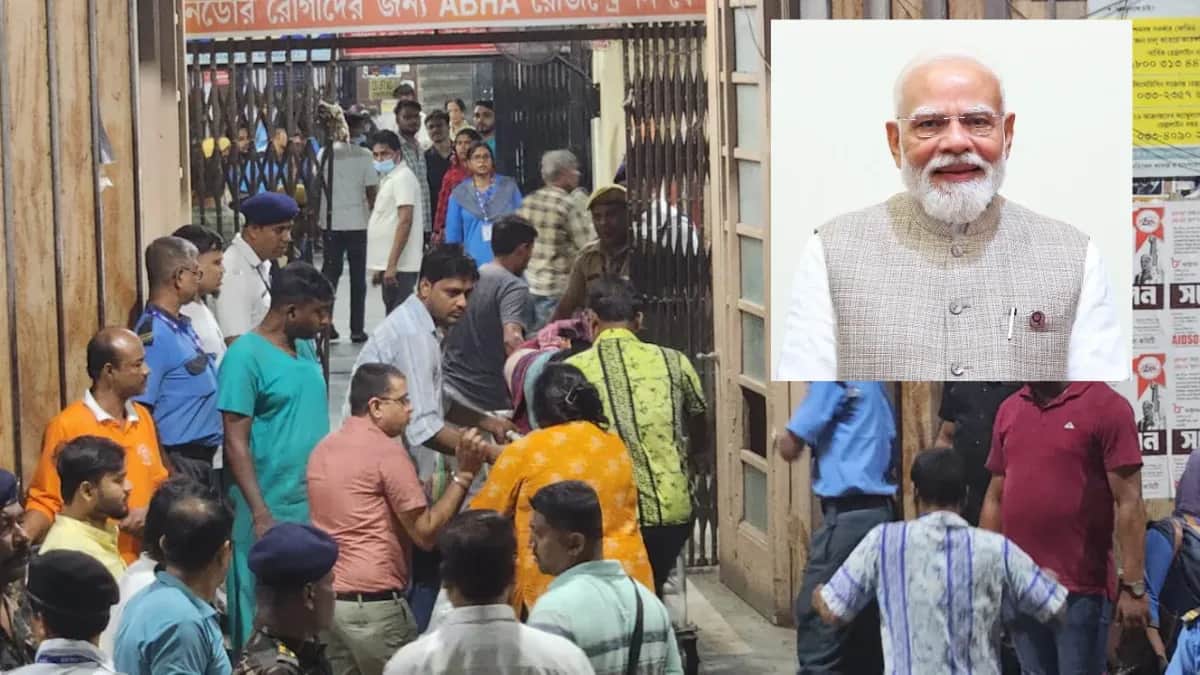
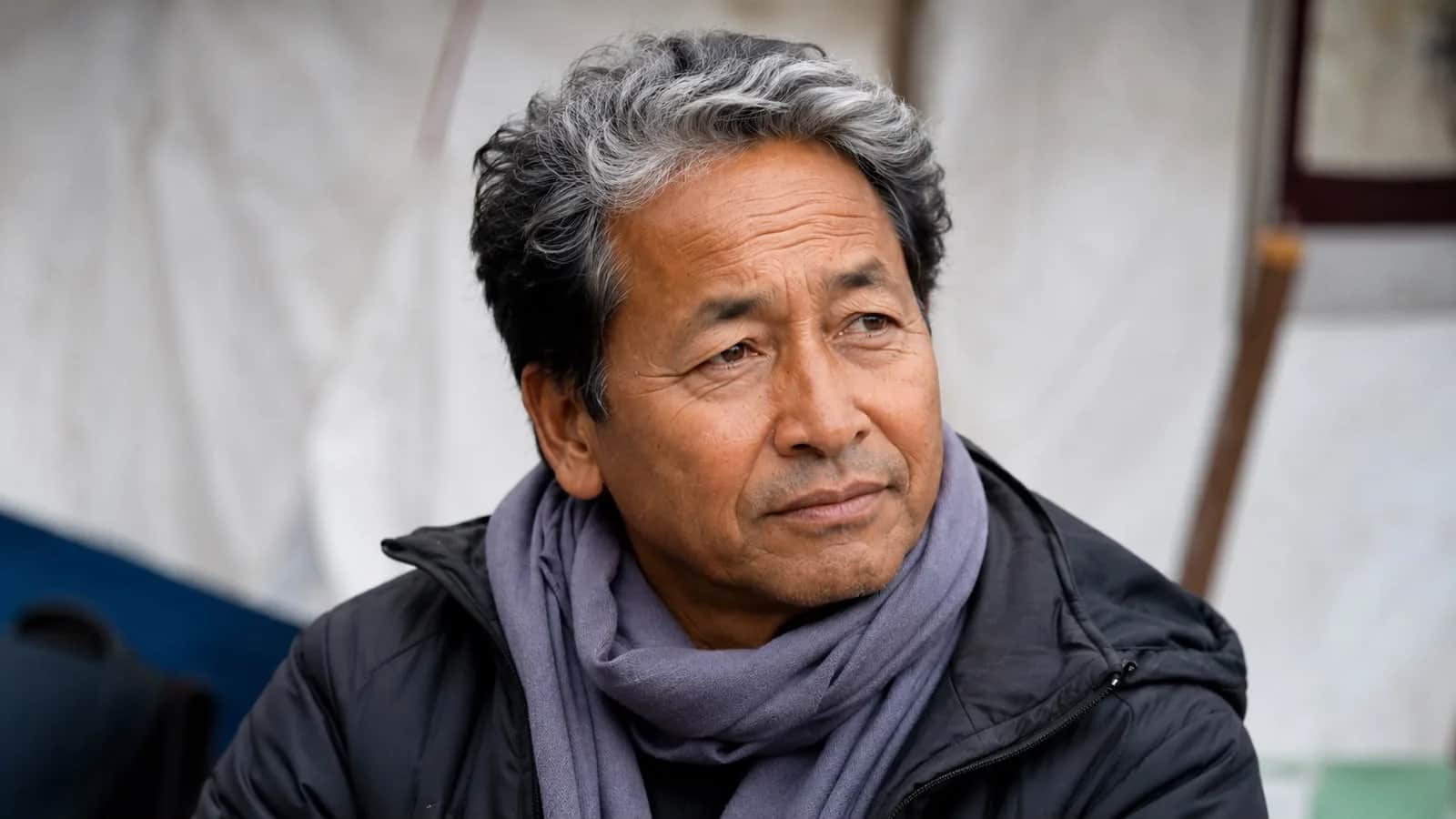
Sonam Wangchuk's hunger strike has taken a dramatic turn. After spending 21 days without food, the climate activist was shifted to Delhi's VMMC & Safdarjung Hospital early Saturday, with authorities saying the move was necessary after doctors warned that his health could deteriorate further. Hospital officials have since said that Wangchuk is stable, but his body remains under significant stress after nearly three weeks of fasting.
The hospitalisation, however, has sparked a fresh controversy. Wangchuk's wife, Dr. Gitanjali J. Angmo, says the family has not been given his complete medical reports and has questioned the lack of transparency surrounding his treatment. She has also urged doctors not to administer any medication or intravenous treatment without the family's consent, arguing that they deserve to know every step being taken regarding his health.
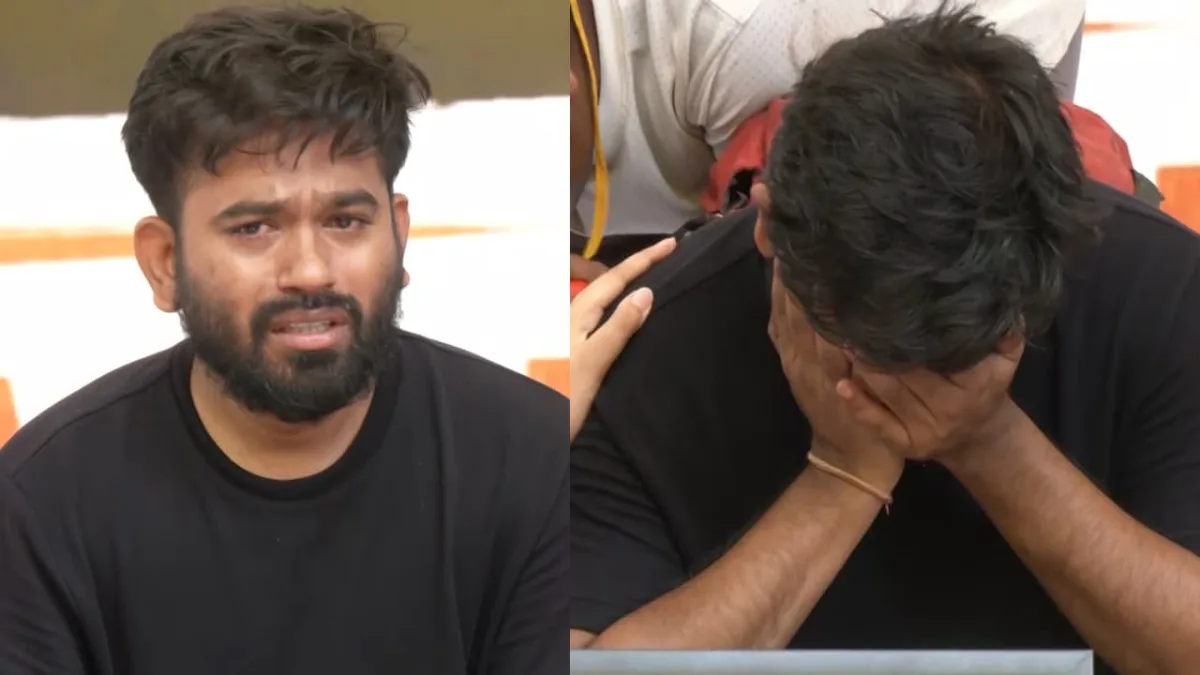
Outside the hospital, the protest shows no signs of slowing down. In a significant development, Cockroach Janta Party (CJP) founder Abhijeet Dipke has announced that he has begun his own indefinite hunger strike in solidarity with Wangchuk. Calling the movement bigger than one individual, Dipke said the protest would continue until the concerns raised by Wangchuk receive a meaningful response.
Meanwhile, supporters have accused the authorities of removing Wangchuk from the protest site without proper communication, while officials maintain that the decision was taken purely on medical grounds to protect his life.
As the protest enters a new phase, the focus is no longer limited to Wangchuk's health alone. It has also reignited a wider conversation about the right to peaceful protest, transparency in medical care, and how dissent is handled in a democracy.
"Sonam Wangchuk's hunger strike has taken a dramatic turn. After spending 21 days without food, the climate activist was shifted to Delhi's V…"