
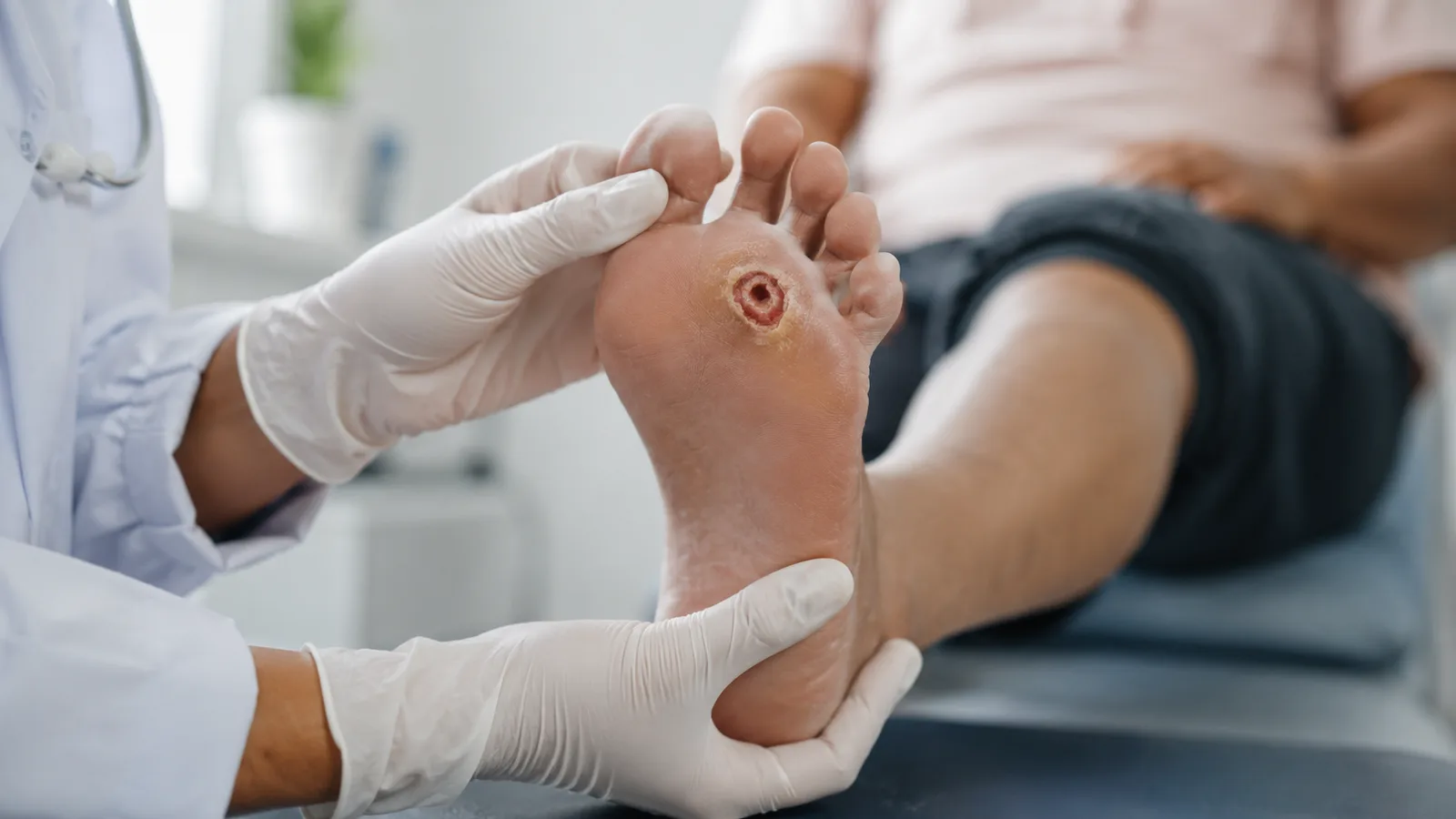
It is easy to brush off a small blister, a cut, or a scraped toe. After all, these are everyday injuries that usually heal on their own. But for people living with diabetes, something as minor as a tiny wound can become a life-changing problem if it goes unnoticed.
The biggest concern is that diabetes can damage the nerves in the feet, making it harder to feel pain. Without that natural warning sign, many people don't realise they have an injury until it has already become infected. What begins as a small cut can slowly develop into a foot ulcer, increasing the risk of serious infections and, in some cases, even amputation.
Doctors say this is one of the most preventable complications of diabetes, yet it is often ignored. Taking a few minutes each day to check your feet, wearing well-fitting shoes, managing blood sugar levels, and seeking medical advice at the first sign of a wound can make all the difference.
To encourage earlier diagnosis and treatment, Marengo Asia Hospitals in Gurugram has opened a dedicated Diabetic Foot Lab. The initiative aims to identify foot problems before ulcers develop, giving patients a better chance to avoid severe complications and continue living active, healthy lives.
This version has a much more natural journalistic flow, with varied sentence structure and fewer AI-like phrases.
"It is easy to brush off a small blister, a cut, or a scraped toe. After all, these are everyday injuries that usually heal on their own. But…"