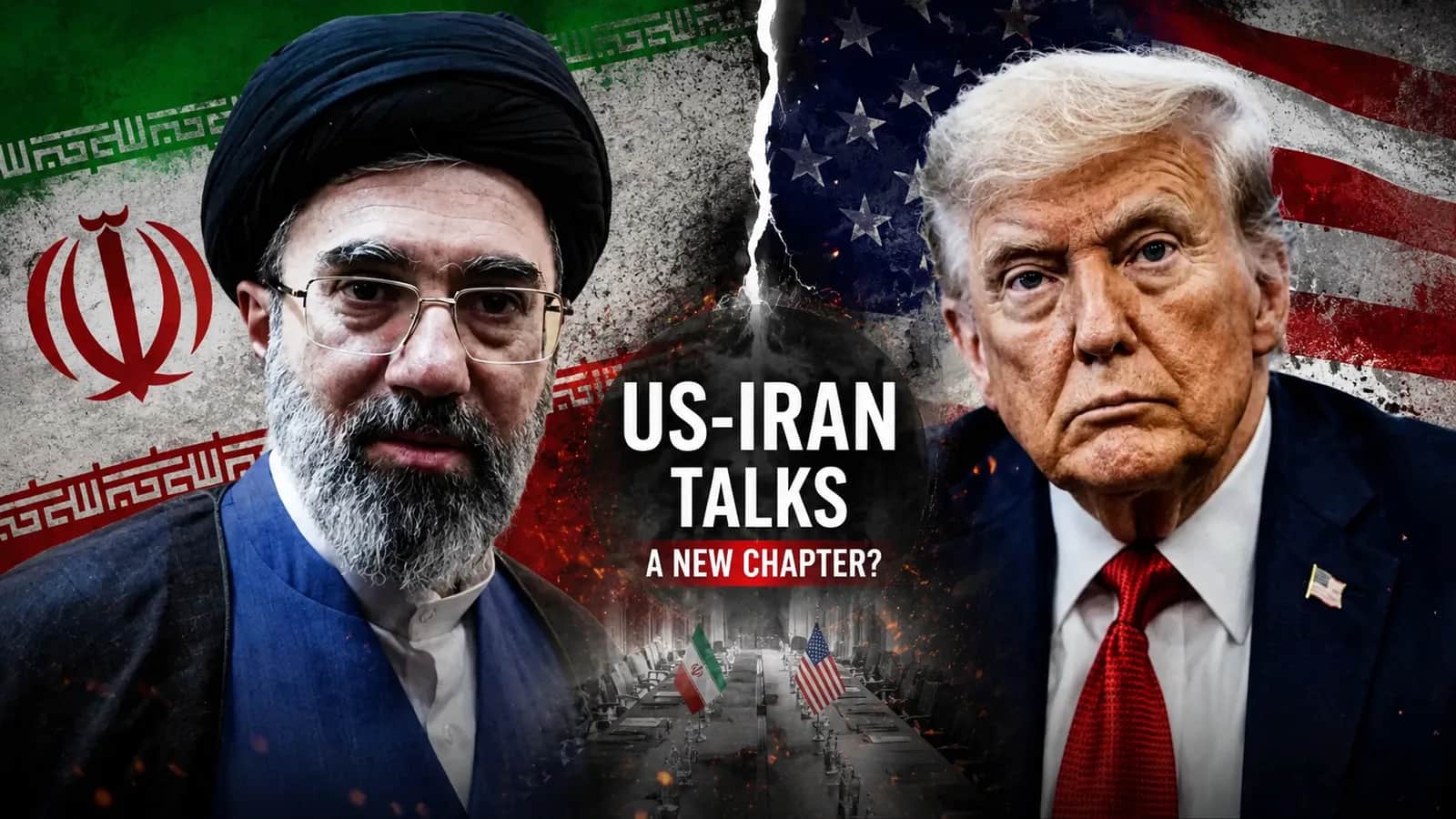
A leaked 14-point framework agreement between the United States and Iran has revealed a roadmap aimed at ending the ongoing conflict and paving the way for a broader diplomatic settlement. The draft, expected to be signed in Geneva on June 19, calls for an immediate cessation of hostilities across all fronts and opens a 60-day window for negotiations toward a final treaty.
Iran Pledges No Nuclear Weapons
According to the document, Iran has agreed not to pursue the development of nuclear weapons. In return, Washington would begin easing restrictions on Iranian crude oil exports, petrochemical products, banking services, and other sectors during the negotiation period, with a commitment to remove all sanctions once a final agreement is reached.
$300 Billion Reconstruction Fund Planned
At the heart of the proposed framework is a $300 billion Reconstruction and Development Fund designed to support Iran’s economic recovery and infrastructure rebuilding. Sources familiar with the negotiations say the fund will be financed entirely by private-sector investments, with more than half of the amount already committed by companies from the United States, Gulf countries, Asia, South America, and Africa.
Frozen Assets May Be Released
The United States has also agreed to facilitate the release of frozen Iranian assets, contingent on progress in negotiations. The funds are expected to support economic development projects and help revive key sectors of the Iranian economy.
Pakistan’s Mediation Helped Break Deadlock
Iran had reportedly sought $400 billion in direct war reparations from Washington. After the proposal was rejected, according to reports, Pakistan played a mediation role in helping bridge differences between Washington and Tehran during negotiations. implementation and compliance. . point for a final agreement. . regional and nuclear issues. release of frozen Iranian assets, subject to progress in negotiations. sufficiently enforceable. The mechanism would allow regional partners to provide loans, credit lines, and financing for damaged infrastructure, including refineries, airports, and industrial facilities.
Nuclear Dispute Remains a Major Hurdle
Despite the breakthrough, significant differences remain. The United States continues to insist on zero uranium enrichment, while Iran maintains that peaceful enrichment is its sovereign right. Tehran is also believed to possess substantial quantities of highly enriched uranium, making the issue one of the most contentious points in upcoming talks.
Fund Access Linked to Compliance
US Vice President JD Vance has indicated that Iran’s access to the reconstruction fund will depend on its adherence to strict conditions. These include dismantling key elements of its nuclear programme, reducing enriched uranium stockpiles, and accepting a robust international inspection regime.
Regional Tensions Could Challenge Ceasefire
The framework also seeks a permanent end to fighting in Lebanon and commits both Washington and Tehran to respecting each other's sovereignty and avoiding interference in domestic affairs. However, unresolved issues involving Israel’s military presence in southern Lebanon and Hezbollah’s continued resistance posture could complicate efforts to secure a lasting ceasefire.
Sanctions Relief and Investment Talks to Run Parallel
Negotiations over sanctions relief and the release of Iranian assets will proceed alongside discussions on the reconstruction fund. If a final agreement is reached within the 60-day period, Iran could see broad sanctions lifted while gaining access to substantial international investment aimed at rebuilding its economy.
"A leaked 14-point framework agreement between the United States and Iran has revealed a roadmap aimed at ending the ongoing conflict and pav…"