
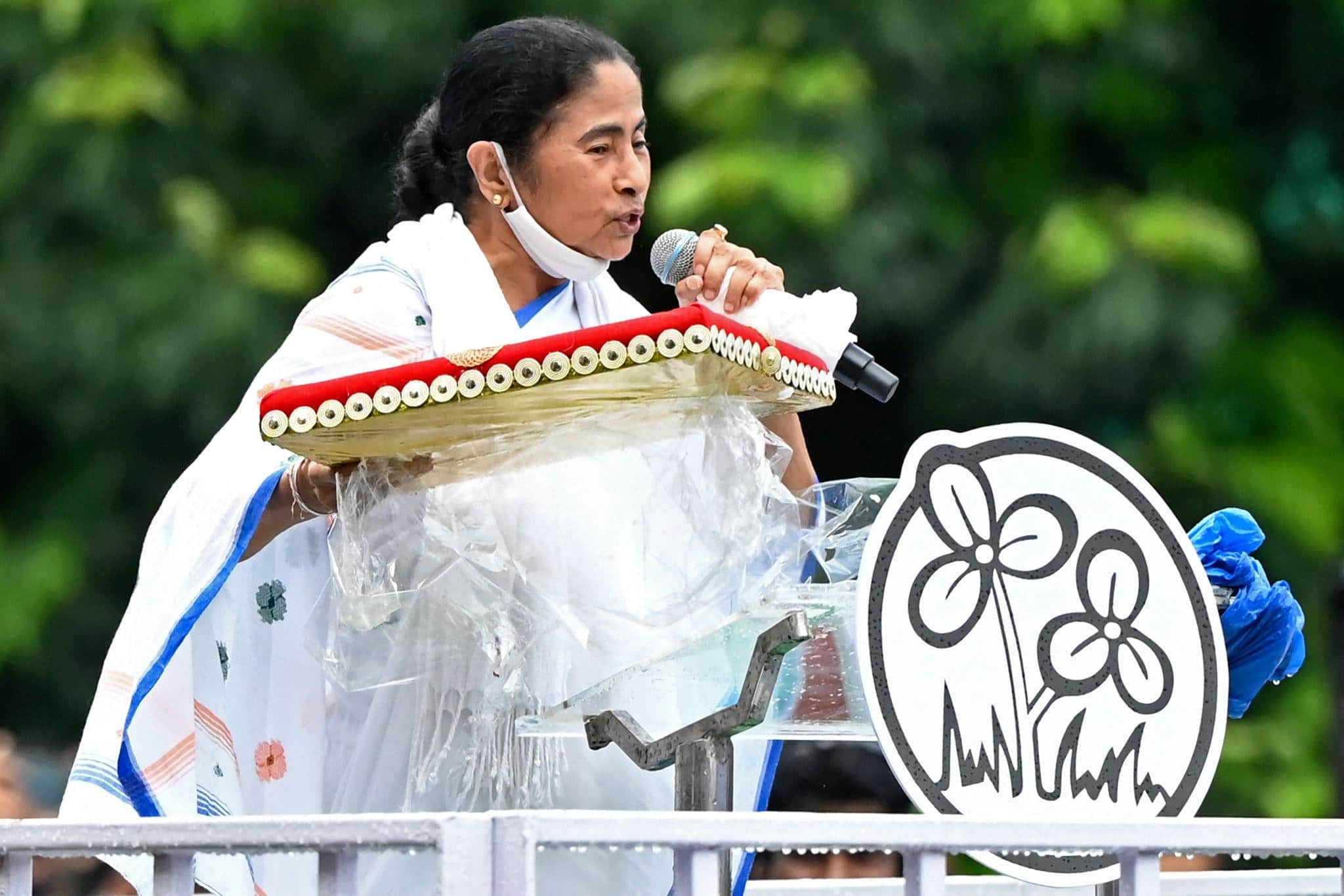
Political developments in West Bengal took another interesting turn on Wednesday after several Trinamool Congress (TMC) leaders were seen attending a review meeting chaired by Chief Minister Suvendu Adhikari at the state secretariat, Nabanna.
Among those present were Kunal Ghosh, Firhad Hakim, Nayana Banerjee and senior MLA Ashok Deb. Their appearance at the meeting drew attention because just a day earlier they had been seen standing alongside TMC chief Mamata Banerjee during her protest at Kolkata’s Dharmatala.
The development has triggered fresh speculation about the ongoing turmoil within the ruling party. While some observers view the meeting as a routine administrative exercise, others believe it could signal deeper political changes within the TMC.
Political rift widens in TMC
According to officials, the meeting focused on development projects in Kolkata, Howrah and South 24 Parganas. As elected representatives from these regions, the MLAs were invited to participate in discussions concerning their constituencies.
However, the timing of their attendance has raised eyebrows. With divisions within the TMC becoming increasingly visible, the presence of leaders considered close to Mamata Banerjee at a meeting chaired by the Chief Minister has added to the uncertainty surrounding the party’s future course.
The crisis deepened further after reports emerged that 58 rebel MLAs had submitted a letter to Assembly Speaker Rathindra Bose seeking recognition for a separate group within the legislature. The rebels have reportedly proposed Ritabrata Banerjee as their new leader, with Javed Khan, Sandipan Saha and Shiuli Saha named for key positions in the proposed leadership structure.
Major political realignment in West Bengal?
Political analysts note that under the anti-defection law, support from at least two-thirds of a legislature party’s members is required for a breakaway faction to gain legal recognition. With the TMC’s strength standing at 80 MLAs, the threshold is 54 legislators. If the rebels’ claim of support from 58 members is accepted, the group could secure official recognition and avoid disqualification.
The latest developments have intensified speculation about the future of the TMC and whether a major political realignment is underway in West Bengal.
About Trinamool Congress
The All India Trinamool Congress (TMC) dominated West Bengal politics for nearly 15 years before suffering a major setback in the 2026 Assembly elections. The party first came to power in 2011, ending the Left Front’s uninterrupted 34-year rule. Contesting in alliance with the Congress and SUCI(C), the coalition won 227 of the state’s 294 seats, while the TMC secured 184 seats on its own.
Over the next decade, Mamata Banerjee strengthened the party’s position in the state. The TMC won 34 of West Bengal’s 42 Lok Sabha seats in 2014 and retained power with a comfortable majority in the 2016 Assembly elections. The party also secured a decisive victory in the 2021 Assembly polls despite a fierce challenge from the BJP. However, Mamata Banerjee lost the high-profile Nandigram contest to BJP leader Suvendu Adhikari.
The BJP continued to expand its influence in the state, emerging as the TMC’s principal rival. While the Trinamool Congress remained a key force nationally and was part of the INDIA bloc during the 2024 Lok Sabha elections, anti-incumbency and a strong BJP campaign reshaped the political landscape ahead of the 2026 Assembly polls.
In a dramatic turnaround, the BJP defeated the TMC in the 2026 elections, ending the party’s 15-year rule in West Bengal. Mamata Banerjee also lost from Bhabanipur to Suvendu Adhikari, who later became Chief Minister. The result marked the TMC’s biggest electoral setback since coming to power in 2011 and forced the party into the Opposition benches after more than a decade at the helm of the state government.
"Political developments in West Bengal took another interesting turn on Wednesday after several Trinamool Congress (TMC) leaders were seen at…"