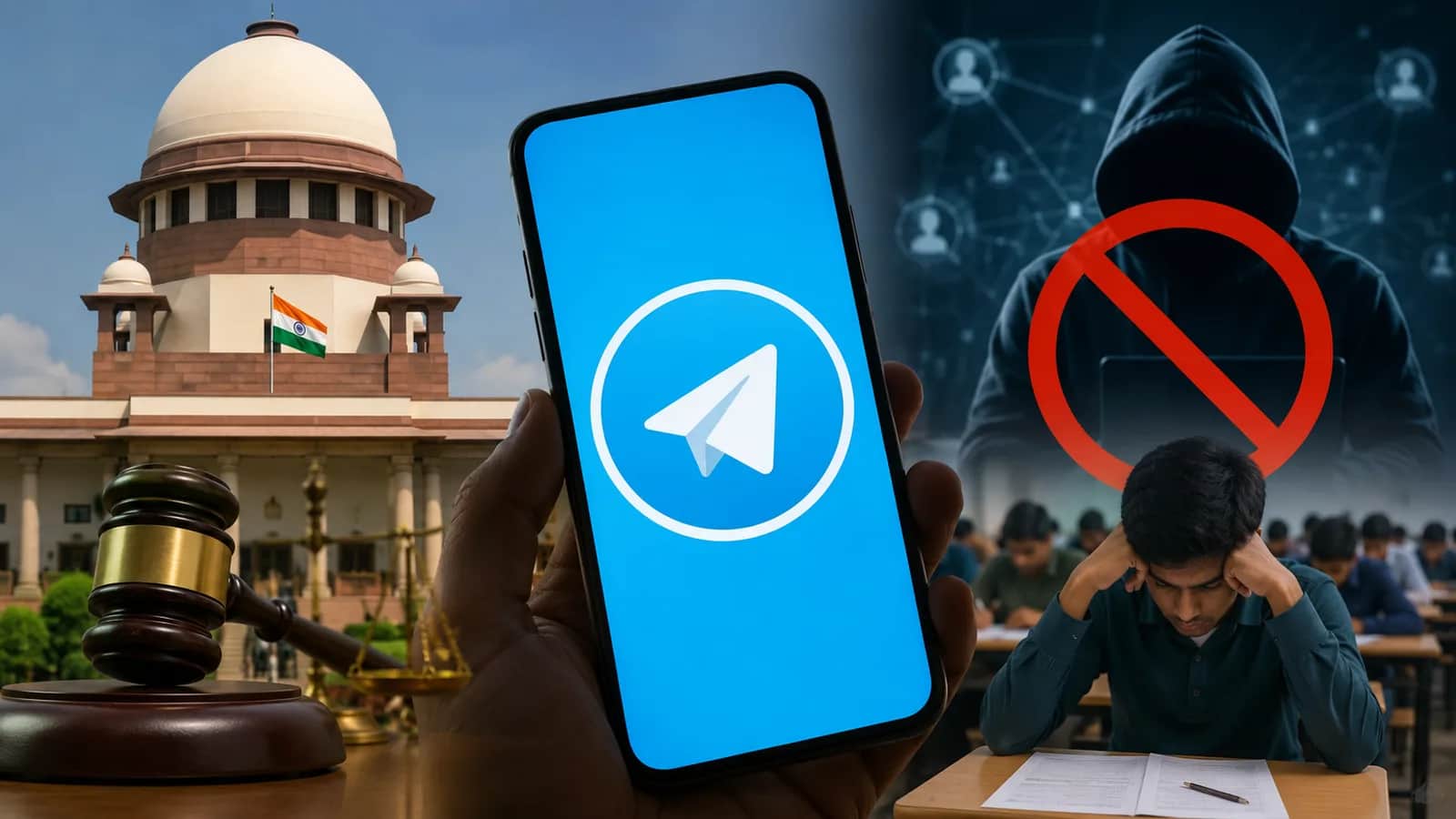
Social messaging platform Telegram has approached the Delhi High Court challenging the Centre’s decision to temporarily restrict access to the platform in India. The petition was filed on Wednesday, seeking relief against the ban imposed ahead of the NEET-UG re-examination scheduled for June 21.
Matter Listed for Hearing Today
The case has been listed before Justice Tushar Rao Gedela (or as per court listing, Justice Tajas Karia) and is expected to be heard later in the day. Telegram has argued against the restrictions, which remain in force until June 22.
Centre Cites Examination Integrity Concerns
The Union government imposed the temporary restriction following recommendations from the National Testing Agency (NTA), which welcomed the move. According to the agency, the measure was aimed at preventing fraud, misinformation, and organised cheating attempts targeting NEET candidates.
NTA Uncovers Alleged Fraud Network
The NTA recently claimed to have exposed a large-scale scam operating through Telegram channels. Fraudsters were allegedly charging students between ₹14,000 and ₹25,000, and in some cases up to ₹10 lakh, by falsely promising access to leaked NEET re-examination papers.
Message Editing Feature Also Restricted
In addition to limiting access to the platform, the Ministry of Electronics and Information Technology (MeitY) directed Telegram to disable its message-editing feature in India until June 30. The NTA said the move was intended to prevent the creation of fabricated “paper leak” evidence through edited messages that retain original timestamps.
Government Calls Restrictions Temporary and Necessary
While acknowledging the inconvenience caused to users, the NTA maintained that the restrictions are temporary and essential to safeguard the credibility of the examination process. The agency noted that the original NEET-UG examination held on May 3 was cancelled following allegations of irregularities and paper leaks.
Pavel Durov Criticises the Ban
Telegram founder Pavel Durov criticised the Centre’s decision, arguing that the restrictions unfairly impact millions of ordinary users. In a post on X, Durov said the ban affects more than 150 million users in India while failing to target those responsible for leaking examination materials.
“The leaks simply moved to other apps,” Durov said, questioning the effectiveness of the temporary restriction.
NTA Defends Decision Despite VPN Concerns
Defending the government’s action, NTA Director General Abhishek Singh said that although some channels may continue operating through VPNs or from outside India, the restriction would significantly reduce their reach among students.
He argued that limiting access to such channels would help prevent candidates from falling victim to scams, losing money, or being misled by fake claims of leaked question papers.
Debate Over Security and Digital Freedom
The legal challenge has sparked a broader debate over balancing examination security with digital freedoms. The Delhi High Court's decision on Telegram's plea is expected to have significant implications for both online platforms and regulatory actions during major national examinations.
"Social messaging platform Telegram has approached the Delhi High Court challenging the Centre’s decision to temporarily restrict access to t…"