
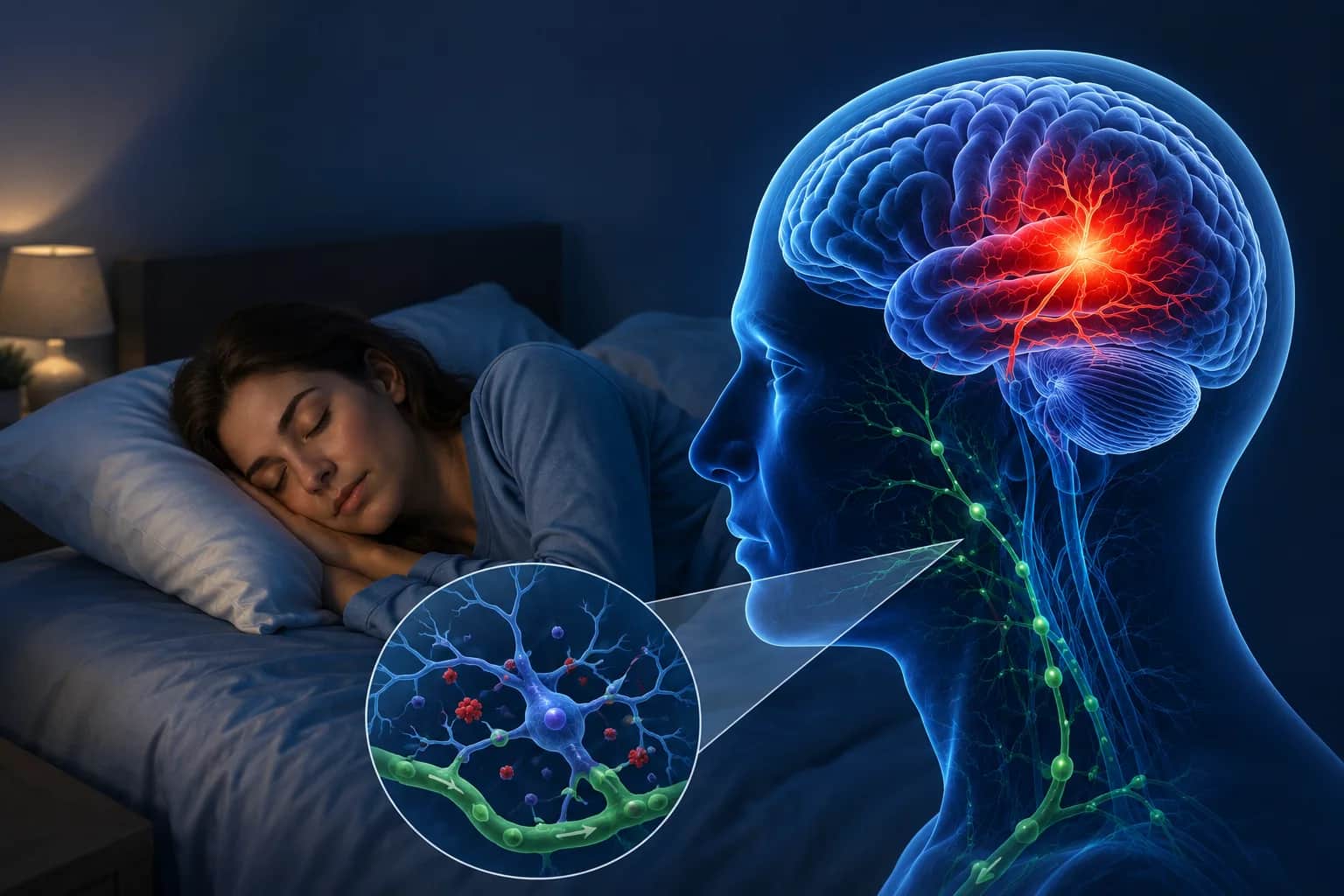
A new study has found that reinforcing the body's natural circadian rhythms, commonly known as the body clock, could significantly improve recovery after a stroke. Researchers from the University of Rochester Medical Center reported that interventions such as timed light exposure, melatonin supplementation, and drugs targeting the body's internal clock enhanced recovery in mouse models of stroke.
Published in the Journal of Clinical Investigation, the study suggests that improving sleep and maintaining regular daily rhythms may boost the brain's glymphatic system, a waste-clearing network responsible for removing toxins and harmful proteins. Researchers observed improved glymphatic function alongside reduced levels of inflammatory molecules that often persist in the brain following a stroke.
Stroke remains one of the leading causes of death and long-term disability worldwide. According to the World Health Organization (WHO), approximately 15 million people suffer a stroke each year, with around five million deaths and another five million left permanently disabled.
Scientists found that disruptions in circadian rhythms can impair the brain's ability to clear waste and recover from injury. By restoring these rhythms, the brain appeared better equipped to reduce inflammation and support healing processes.
While the findings are currently limited to animal studies, researchers believe the results could pave the way for new treatments aimed at improving stroke recovery in humans. Future clinical trials will be needed to determine whether similar benefits can be achieved in stroke patients through sleep-focused and circadian-based therapies.
"A new study has found that reinforcing the body's natural circadian rhythms, commonly known as the body clock, could significantly improve r…"