
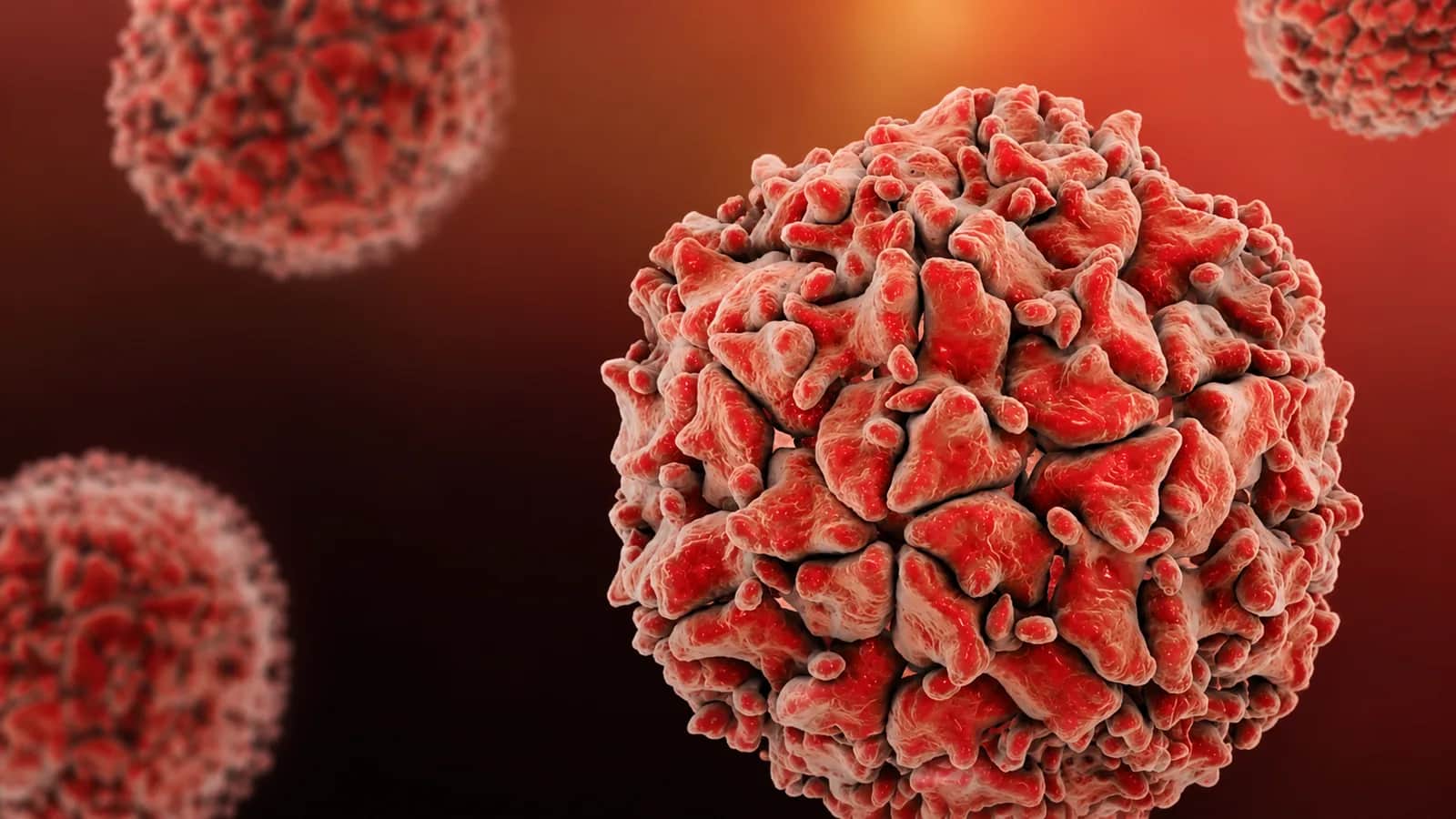
Health authorities in Ghaziabad have launched an extensive surveillance operation after a sewage sample collected from the Dundahera Sewage Treatment Plant tested positive for Vaccine-Derived Poliovirus Type 1 (VDPV-1). The detection, reported on June 10, has triggered a major public health response even though no human polio case has been identified so far.
Massive Surveillance Drive Underway
According to officials, the virus was detected during routine environmental surveillance, a system used to monitor sewage for traces of infectious diseases. Following the finding, the health department deployed around 160 teams across 12 urban primary health centre areas to conduct door-to-door surveys, screen children under five years of age, and ensure vaccination coverage. More than 1.25 lakh children are expected to be monitored during the campaign.
What Is Vaccine-Derived Poliovirus?
Experts have emphasized that the detected strain is not wild poliovirus. Vaccine-derived polioviruses can emerge in rare situations when the weakened virus used in oral polio vaccines circulates for a prolonged period in under-immunized communities and undergoes genetic changes. However, health officials have stated that there is currently no evidence of community transmission or any child developing polio-related symptoms in Ghaziabad.
Why This Detection Matters
The development is significant because India has remained free of wild poliovirus since 2011 and received official polio-free certification in 2014. Environmental surveillance remains a critical part of maintaining that status, allowing authorities to detect potential threats before human cases appear.
A Global Concern, Not Just an Indian One
Similar detections in sewage systems have previously been reported in countries such as the United Kingdom, Germany, and the United States. In most cases, strong vaccination coverage prevented the virus from causing widespread outbreaks, highlighting the importance of immunization programs.
How Polio Spreads
According to the World Health Organization (WHO), poliovirus spreads mainly through contaminated food and water. While many infected individuals show no symptoms, the virus can sometimes attack the nervous system and cause permanent paralysis, particularly in young children.
The Bottom Line
For now, health authorities have stressed that there is no confirmed human polio case in Ghaziabad and no reason for panic. However, the detection serves as a reminder that continuous surveillance, sanitation efforts, and high vaccination coverage remain essential to keeping India polio-free.
"Health authorities in Ghaziabad have launched an extensive surveillance operation after a sewage sample collected from the Dundahera Sewage …"