
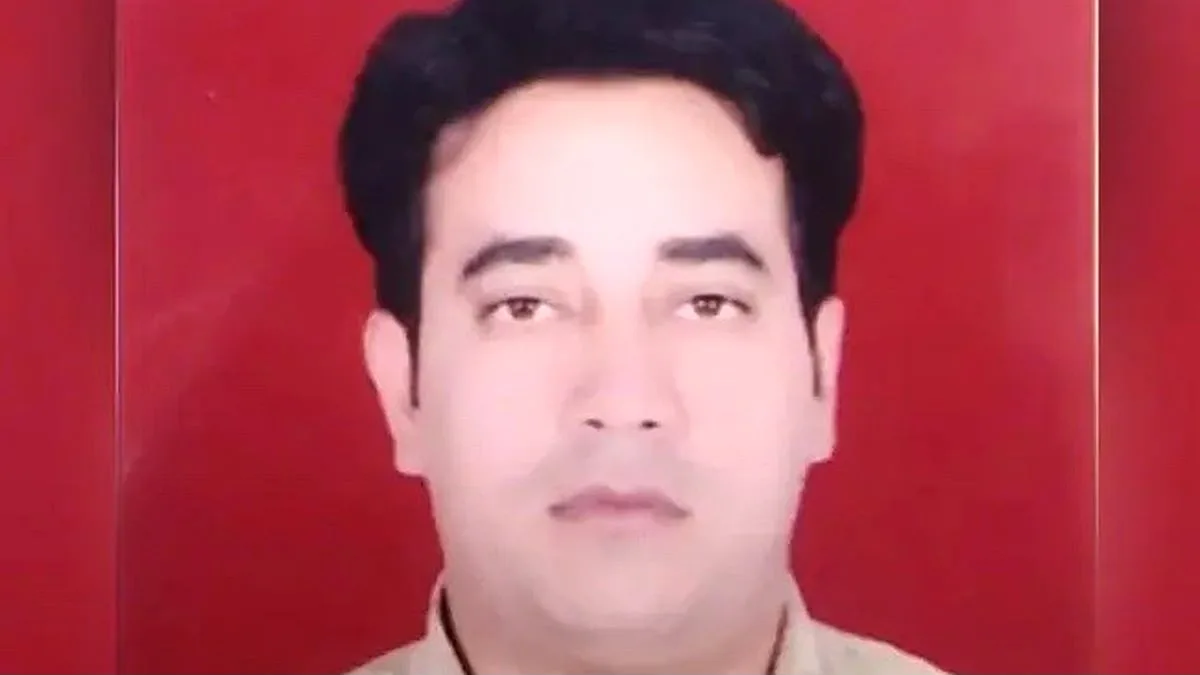
The judgment in the murder case of IB officer Ankit Sharma has been deferred once again, extending the wait for justice in one of the most high-profile cases linked to the 2020 Delhi riots.
More than six years after Intelligence Bureau (IB) officer Ankit Sharma was killed during the North-East Delhi riots, the case continues to remain in the spotlight. On Tuesday, Delhi's Karkardooma Court deferred its much-awaited judgment, stating that the order is still under dictation. A fresh date for the verdict is expected to be announced soon.
The case involves former AAP councillor Tahir Hussain and ten other accused, all of whom have faced trial in a case that has come to symbolize the search for accountability in the 2020 Delhi riots.
The Day That Changed Everything
On February 25, 2020, communal violence had engulfed several areas of North-East Delhi. Amid the unrest, 26-year-old Ankit Sharma, who worked as a staffer with the Intelligence Bureau, stepped out of his house in Khajuri Khas.
According to his family, Sharma left home during the afternoon but never returned. As violence escalated across the area, his family began searching for him. The next day, on February 26, his body was recovered from a drain near Chand Bagh, one of the worst-affected areas during the riots.
The discovery shocked the nation and quickly turned the case into one of the most talked-about investigations arising from the violence.
How Was Ankit Sharma Killed?
According to the prosecution, Sharma was allegedly intercepted by a violent mob during the riots.According to the prosecution, Sharma was dragged towards the Chand Bagh area and attacked by a mob during the violence.
Court records and the post-mortem report revealed that Sharma suffered 51 injuries caused by sharp and blunt weapons. The injuries were found on multiple parts of his body, including the head, face, chest and back. Prosecutors alleged that after the attack, his body was thrown into a nearby drain.
The brutal nature of the killing became one of the most disturbing aspects of the Delhi riots and drew nationwide attention.
The Allegations Against Tahir Hussain
The Delhi Police alleged that former AAP councillor Tahir Hussain was part of a larger conspiracy connected to the violence. Investigators claimed that Hussain's residence in Chand Bagh was used by rioters during the clashes and that materials such as stones and petrol bombs were allegedly stored there.
Based on witness statements, forensic evidence and other materials collected during the investigation, Hussain and several others were charged in the case.
However, Hussain has consistently denied all allegations. He has maintained throughout the trial that he is innocent and has been falsely implicated. His defence has argued that he too was a victim of the riots and was not involved in Sharma's killing.
Why This Verdict Matters
The 2020 Delhi riots claimed more than 50 lives and left hundreds injured, making them one of the deadliest episodes of communal violence in the capital in recent years. Among all the cases registered after the riots, Ankit Sharma's murder became one of the most politically and legally significant.
Over the past six years, the trial has included witness testimonies, forensic reports, digital evidence and lengthy arguments from both the prosecution and defence.
For Ankit Sharma's family, the verdict represents the culmination of a years-long fight for justice. For the accused, it could determine their future. And for many observers, the judgment will serve as an important marker in understanding accountability for the violence that shook Delhi in 2020.
For now, the wait continues. But whenever the verdict is delivered, it is expected to be one of the most closely watched judicial decisions linked to the Delhi riots.
"The judgment in the murder case of IB officer Ankit Sharma has been deferred once again, extending the wait for justice in one of the most h…"