
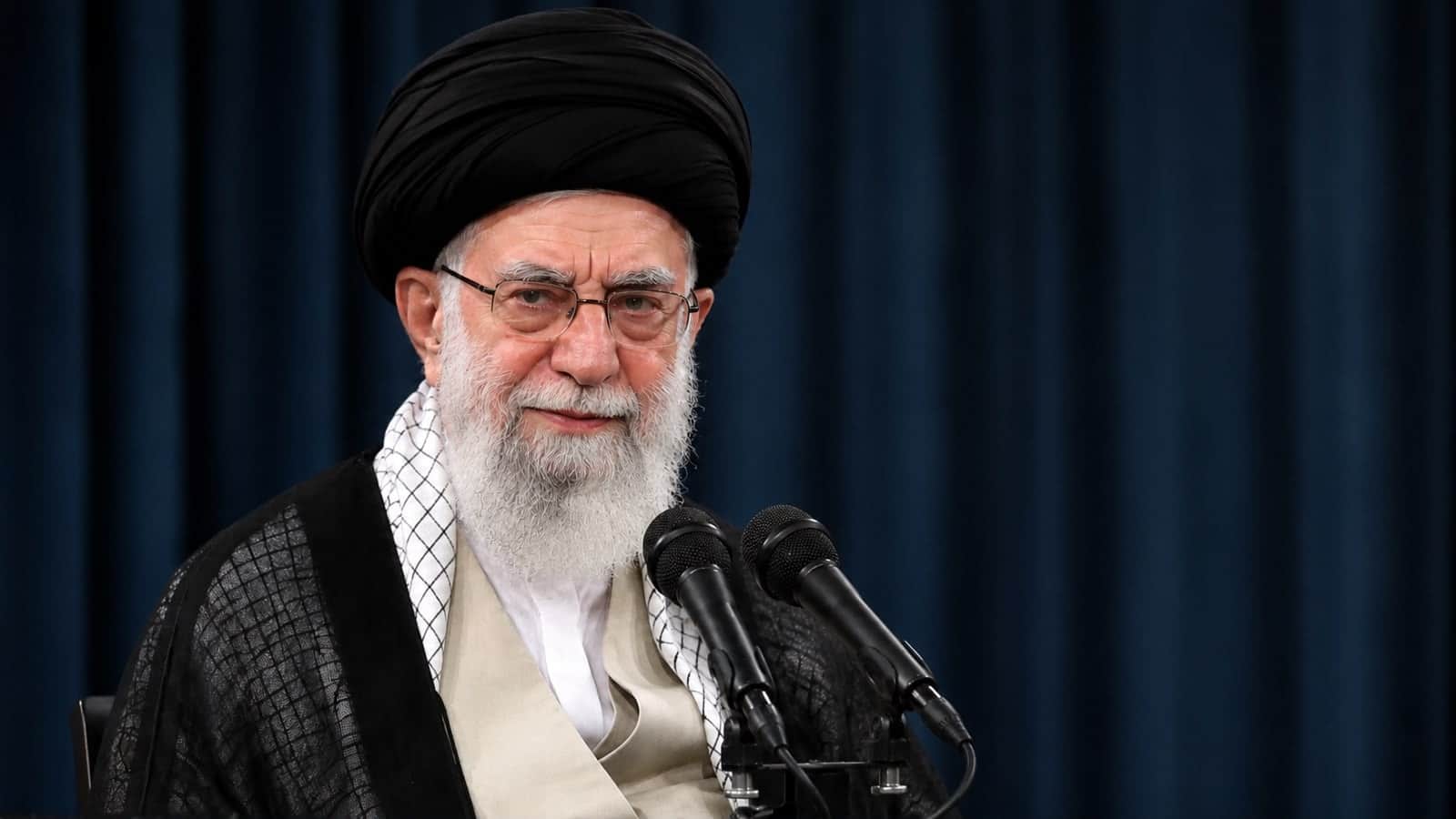
Nearly three months after the death of Iran's former Supreme Leader Ayatollah Ali Khamenei, the country is preparing for what could become one of the largest funeral gatherings in its modern history. Iranian authorities have announced plans for a three-day state funeral, with officials estimating that as many as 20 million people could participate in various ceremonies across the country.
The development has drawn global attention not only because of the scale of the planned farewell but also because of the unusual delay between Khamenei's death and his final burial. Khamenei, who led Iran for nearly 37 years, was killed on February 28, 2026, during the opening phase of a conflict involving Iran, the United States and Israel. His funeral, originally scheduled for early March, was postponed as the war and security concerns continued to dominate the country.
Why Was the Funeral Delayed?
The postponement of Khamenei's funeral became a subject of intense discussion both inside and outside Iran. Iranian officials said the ongoing conflict and security situation made it difficult to hold a large public ceremony. Reports suggest that authorities wanted to avoid potential security risks and ensure that the event could take place on a scale befitting the country's longest-serving leader after Ayatollah Ruhollah Khomeini.
Now, Iranian state media says a special committee has been formed to organize what officials are calling a "grand funeral." Ceremonies are expected to be held in Tehran as well as the holy cities of Qom and Mashhad. According to Iranian officials, Khamenei will ultimately be buried in Mashhad, a city that holds deep religious significance for millions of Shia Muslims.
The Man Who Shaped Modern Iran
Ali Khamenei became Iran's Supreme Leader in 1989 following the death of Ayatollah Ruhollah Khomeini. Over the next three decades, he became the most powerful figure in the Islamic Republic, overseeing the country's military, judiciary, foreign policy and key state institutions. His leadership coincided with some of the most significant events in modern Middle Eastern history, including Iran's nuclear standoff with the West, regional conflicts involving groups allied with Tehran and repeated waves of domestic protests.
To supporters, Khamenei symbolized resistance against foreign pressure and Western influence. Critics, however, accused his administration of suppressing dissent, restricting civil liberties and tightening political control during periods of unrest. His legacy remains one of the most debated chapters in Iran's contemporary history.
A Defining Moment for Iran
The upcoming funeral is expected to be more than a farewell ceremony. Political observers believe it will also serve as a demonstration of national unity by supporters of the Islamic Republic during a period of transition and uncertainty.
Whether the predicted turnout of 20 million people materializes remains to be seen. However, the event is already being viewed as one of the most significant public ceremonies in Iran since the death of Ayatollah Khomeini in 1989. As preparations continue, the world will be watching how Iran bids farewell to the leader who shaped its politics and foreign policy for nearly four decades.
" Nearly three months after the death of Iran's former Supreme Leader Ayatollah Ali Khamenei, the country is preparing for what could become …"