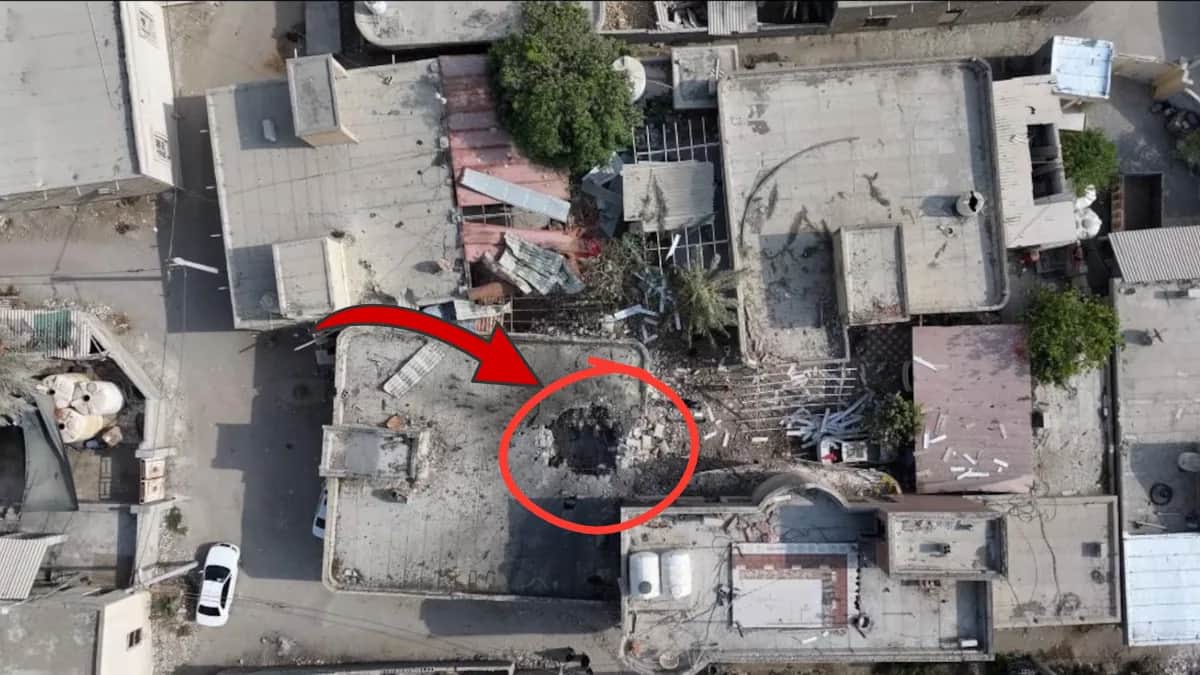
According to an analysis by weapons experts who examined photos and video verified by Reuters, the explosion that tore through a wedding celebration in southern Iran on Tuesday, killing four people and injuring at least 68 others, most likely resulted from a direct hit by a US munition rather than a ricochet off another target.
The tragedy in the small village of Kuhestak is the most significant since a missile hit an Iranian primary school in February, killing numerous students and instructors inside. It has rekindled worries about civilian casualties in the US war with Iran.
US forces target IRGC air defence
The Islamic Revolutionary Guard Corps air defence stations, radar systems, and communications infrastructure were the targets of many strikes carried out by US forces on September 1 throughout southern Iran, according to the US Central Command. In response to previous Iranian strikes on US military installations in the Gulf, the barrage was launched.
US Vice President JD Vance announced on Thursday that the US was looking into the strike.
"Obviously, we are concerned, which is why we are looking into it. We're curious," Vance stated at a press conference at the White House.
Witnesses reported that scores of locals had gathered at a residence in Kuhestak for a wedding ceremony on the night of the attacks. According to images and footage verified by Reuters and examined by experts, a munition probably hit the building's roof during the celebration.
The photos show wedding decorations, which are typical in that region of Iran, scattered around and bloody shoes lying among the debris following the strike.
Satellite images show telecom tower was just 135 metres from wedding site
Satellite photography shows that the tower is about 135 metres away from the location of the wedding celebration. Iranian media said that the tower was struck at around 9:30 p.m. local time.
According to one of the US sources, US officials are considering a number of possibilities regarding the deaths at the wedding, such as whether they were caused by a US strike, an Iranian air defence missile ricochet, or an interceptor gone wrong.
The Balochestan Human Rights Documentation Network and Haalvsh, which track and record violations of human rights, reported 68 injuries and four fatalities.
According to the groups, three of the victims were wedding guests: four-year-old Amir Mohammad Karimi, Zarkhatoon Taheri, 50, and Kolsoom Mollahi Najhandania, 43. Mohammad Mallahi, 16, the fourth victim, was killed while riding his motorbike close to the communications tower.
Social media posts emerge after wedding strike
Social media posts regarding an attack on the local wedding began to surface on September 1 at around 9:30 p.m. local time.
Following the strike, local officials allegedly put pressure on eyewitnesses to refrain from discussing the attack with foreign media, according to human rights organisations that spoke with locals.
"According to an analysis by weapons experts who examined photos and video verified by Reuters, the explosion that tore through a wedding cel…"