
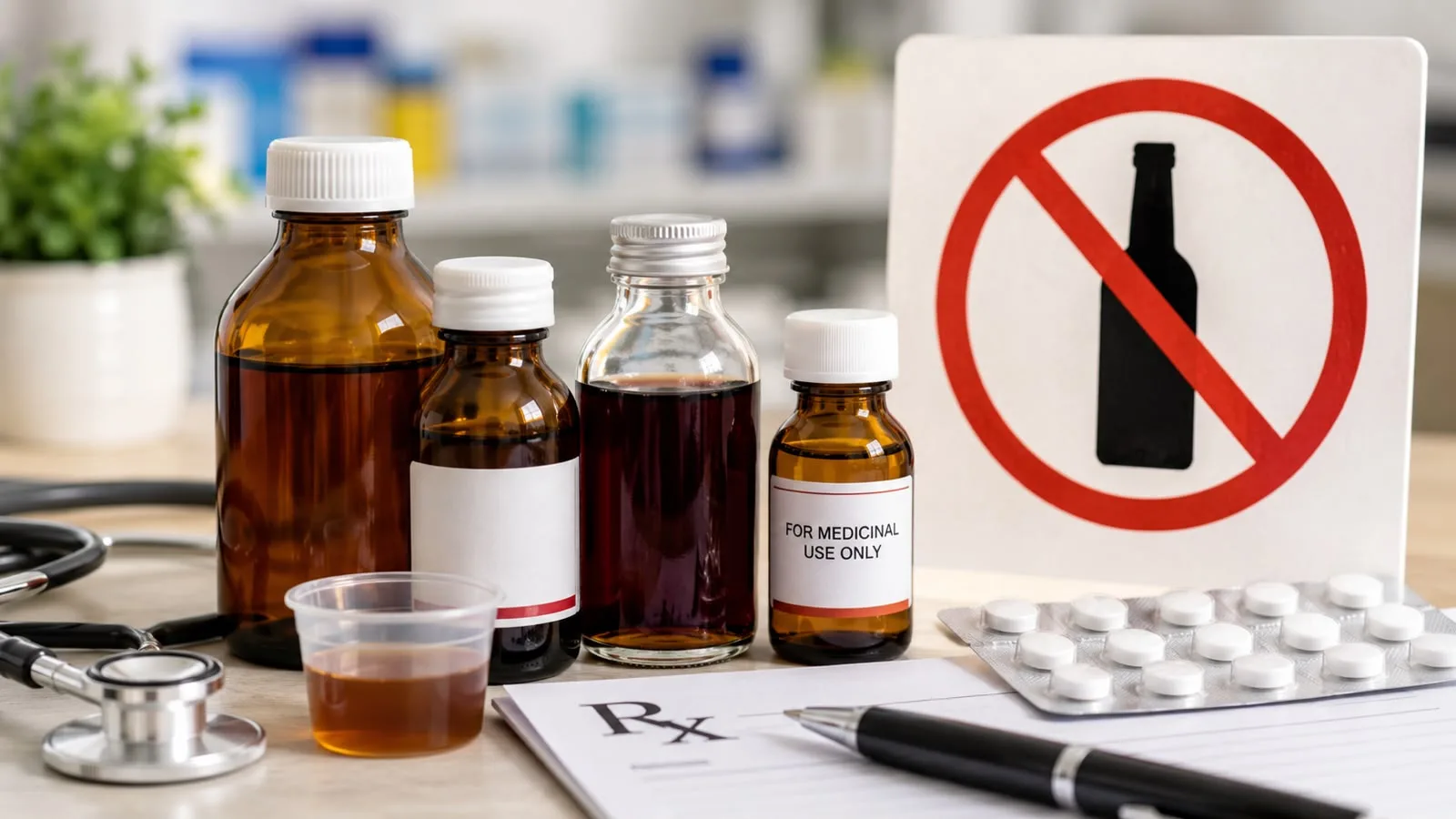
In order to better regulate pharmaceutical formulations with high ethyl alcohol content, the Central Government modified the Drugs Rules, 1945. On July 10, 2026, the Ministry of Health and Family Welfare announced the modifications, which are intended to prevent the abuse of these products while maintaining their availability for legitimate medicinal uses.
All pharmaceutical formulations containing more than 12% v/v ethyl alcohol in amounts more than 30 mL will now need a production and sale license under the Drugs and Cosmetics Act, 1940, according to the new regulations. Additionally, these products have been placed under Schedule H1, which means that pharmacists must keep thorough sales records and that they can only be sold with a Registered Medical Practitioner's (RMP) prescription.
What were the previous regulations?
In the past, Schedule K of the Drugs Rules, 1945 exempted a number of therapeutic preparations containing alcohol from licensing requirements, including cardamom tincture, ginger tincture, and other fragrant preparations. Subject to specified conditions, Schedule K exempts select drug categories from certain provisions of the Drugs and Cosmetics Act and Rules.
This exemption allowed for the production and sale of these goods without the more stringent licensing and oversight that many prescription medications require. Because some of these formulations include 80–90% v/v ethyl alcohol, they are more likely to be abused as intoxicants than to be used therapeutically. Concerns about the misuse and diversion of these goods have also been raised by a number of state governments.
What has changed since then?
The Schedule K exception for formulations with more than 12% alcohol by volume in bottles greater than 30 mL is eliminated by the amendment. Consequently:
- The necessary licenses must be obtained by manufacturers and sellers.
- These medications will now be classified as Schedule H1, requiring a prescription from a physician.
- For H1 medications, pharmacies are required to keep records of every transaction, including information about the patient and the prescribing physician.
- Only the controlled pharmaceutical supply chain will be used for distribution.
What makes the amendment significant?
According to the government, the action is meant to protect access for patients who actually need alcohol-rich medication formulations while preventing their overuse and illicit diversion. Authorities were concerned that these products would be used for drunkenness rather than medical treatment because some of them have alcohol content that is on par with or even higher than numerous alcoholic beverages.
The modification is a component of the government's larger initiative to increase public health protections, encourage the sensible use of medications, and fortify India's drug regulatory structure. The Center intends to lower the potential of abuse while ensuring that these formulations are only used for approved medicinal purposes by enforcing stricter licensing, prescription restrictions, and record-keeping.
"In order to better regulate pharmaceutical formulations with high ethyl alcohol content, the Central Government modified the Drugs Rules, 19…"