
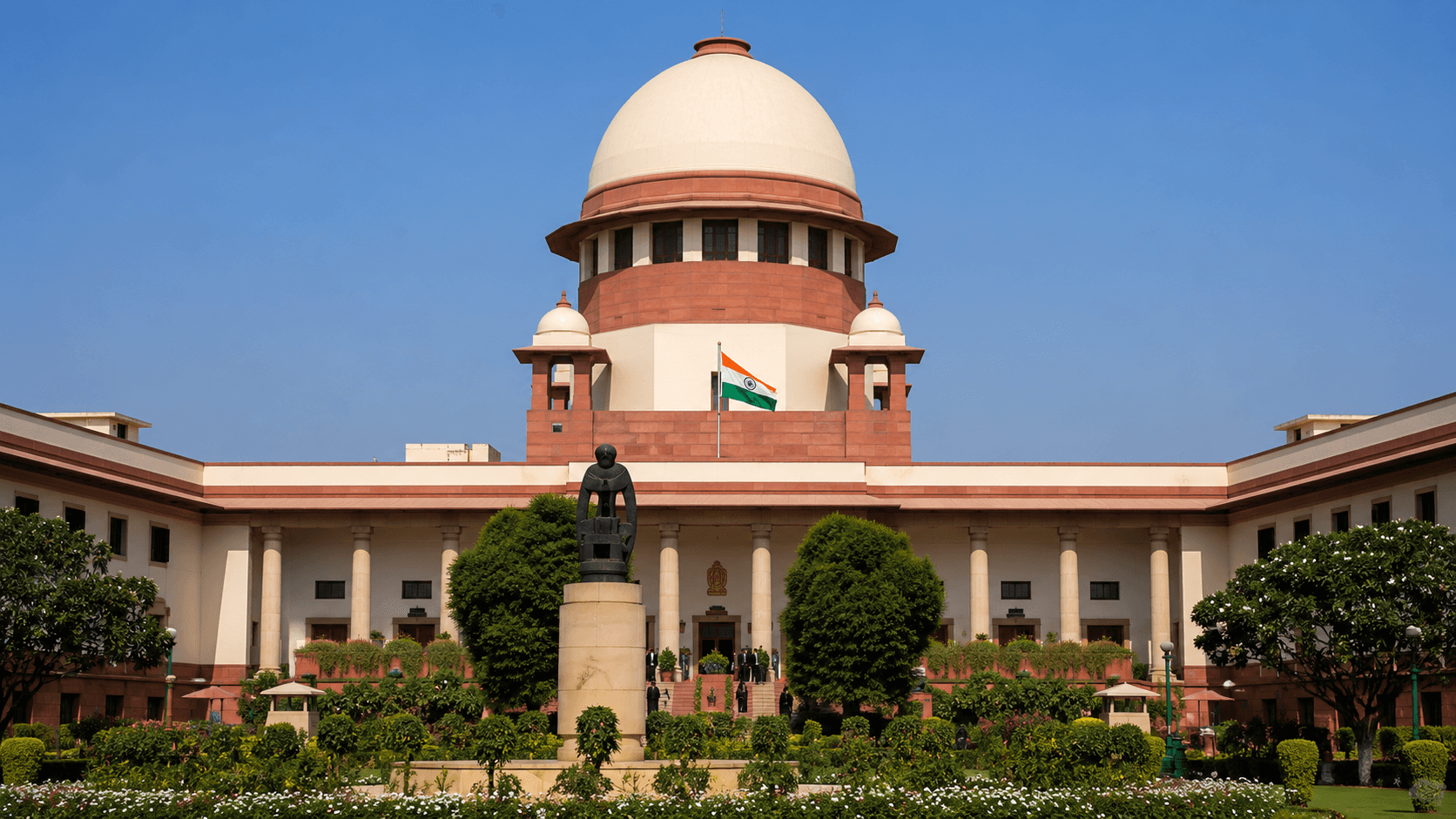
The Supreme Court has stated that criminal proceedings against loan defaulters should not continue once the loan issue has been resolved between the bank and the borrower. The court stated that permitting such cases to progress would harm the economy.
A panel of Justices B V Nagarathna and Ujjal Bhuyan stated that ongoing criminal prosecution in these instances would be oppressive for the borrower and constitute an abuse of court procedures once both parties have resolved a commercial dispute.
Bank filed fraud case after loan settlement
The court said that the chances of conviction of appellant No. 1 (a businessman) are very low and uncertain. Therefore, continuing the criminal case would cause serious harm and unfairness to the appellants.
In this case, the bank had filed a criminal complaint of cheating and fraud against the borrower two years after the loan was settled with him. The case was investigated by the CBI, which filed a chargesheet. It was alleged that the businessman used forged copies of an auditor’s report to get a cash credit limit increased to more than twice the original amount.
While quashing the case, the court said that such conduct of the bank shows a lack of good faith.
The court further said that if the bank is allowed to continue criminal prosecution after both parties have settled their dispute, it would negatively affect the value of such settlements that are part of judicial proceedings and approved by a judicial body like the DRT. It said that if such behaviour is ignored and prosecution is allowed to continue, it would discourage many people and companies from coming forward to resolve banking disputes.
The court also said that this would have a harmful effect on the economy, especially when the focus is on settling commercial disputes.
In this case, the businessman had approached the Debt Recovery Tribunal (DRT) and settled the matter by paying Rs 4.25 crore against the total outstanding amount of Rs 6.49 crore, which also included a notional interest of Rs 3.09 crore.
The court said that since the dispute between the parties came from banking and commercial transactions, it is mainly civil in nature and had already ended in a settlement.
"The Supreme Court has stated that criminal proceedings against loan defaulters should not continue once the loan issue has been resolved bet…"