
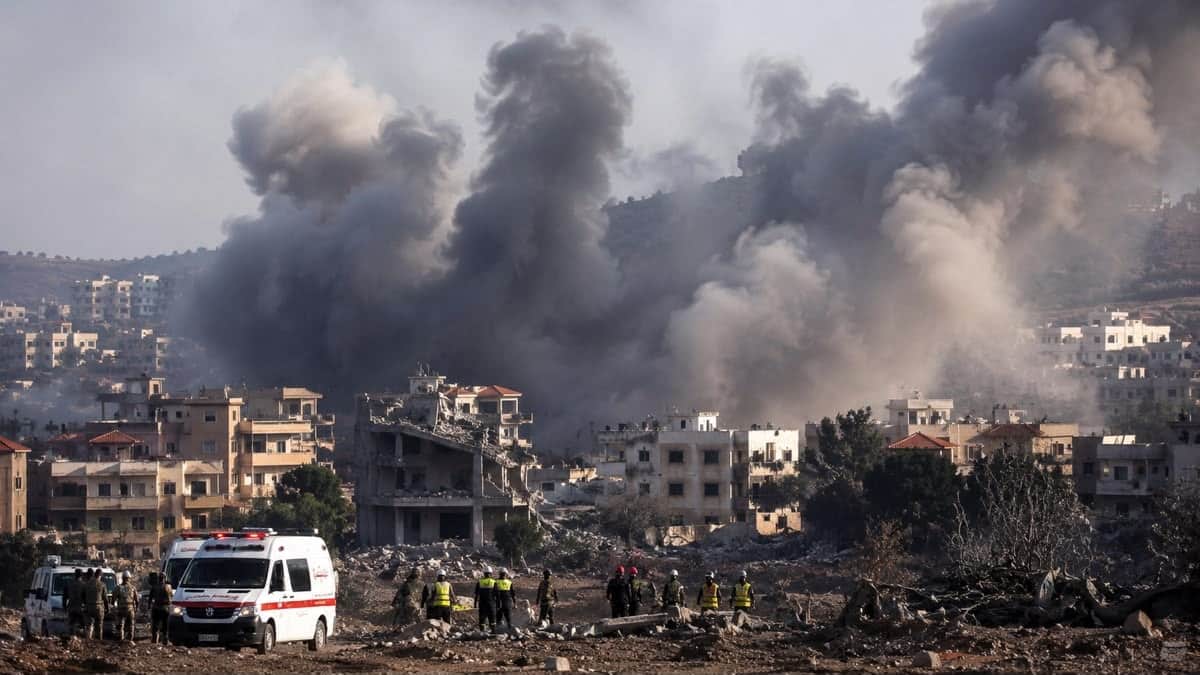
Just two months after a fragile ceasefire brought a pause to the Israel-Iran conflict, the Middle East is once again witnessing a dangerous escalation. Fresh missile attacks, retaliatory airstrikes, and growing tensions involving Lebanon and Hezbollah have raised fears that the region could slide back into a wider war.
The latest flare-up began after Israel carried out strikes on Hezbollah-linked targets in southern Beirut and southern Lebanon. Iran-backed Hezbollah responded with rocket attacks, while Iran launched missiles toward Israel, marking one of the most serious violations of the April ceasefire. At the same time, human rights groups renewed concerns over reports that Israeli forces had used white phosphorus munitions in populated areas of southern Lebanon. The controversial incendiary substance can cause severe burns and has sparked international scrutiny over its use near civilian communities.
The Israeli military later confirmed strikes on an Iranian petrochemical facility in Mahshahr, a move that highlighted how quickly the conflict could expand beyond military targets and begin affecting key economic infrastructure.
Lebanon at the Center of the Crisis
While the ceasefire signed in April was intended to reduce tensions between Iran, Israel and the United States, one major issue remained unresolved: Lebanon.
Iran insists that any ceasefire arrangement must also include Lebanon and Hezbollah. Israel, however, has repeatedly maintained that its campaign against Hezbollah is separate from its conflict with Iran.
This disagreement has become the biggest obstacle to ongoing diplomatic efforts. Hezbollah resumed attacks on Israel following the killing of Iran’s Supreme Leader earlier in the war. Israel responded with a sustained military campaign in Lebanon that has reportedly killed thousands of people and displaced large numbers of civilians.
The latest strikes in Beirut’s southern suburbs-an area known as Hezbollah’s stronghold-riggered the current exchange between Israel and Iran, further undermining hopes that the ceasefire could hold.
Trump’s Push for a Deal Under Pressure
US President Donald Trump has spent weeks trying to secure a broader agreement with Iran aimed at ending hostilities and stabilising the region.
According to multiple reports, Trump personally urged Israeli Prime Minister Benjamin Netanyahu not to retaliate against Iran’s latest missile attacks. The US president reportedly believes that Washington and Tehran are close to reaching a diplomatic breakthrough and fears that continued military escalation could derail negotiations.
Reports have also suggested growing frustration within the White House over Israel’s actions in Lebanon. Trump has publicly indicated that any future agreement with Iran would ultimately need to be accepted by Israel if lasting peace is to be achieved.
However, the renewed exchange of strikes demonstrates how difficult that goal remains.
White Phosphorus Allegations Raise International Concern
Another issue drawing international attention is the reported use of white phosphorus by Israeli forces in Lebanon.
Human rights organisations, including Human Rights Watch, have accused the Israeli military of deploying white phosphorus munitions over populated areas in southern Lebanon. White phosphorus is an incendiary substance that can cause severe burns, respiratory injuries and long-term health complications.
Although its use is not completely prohibited under international law, deploying it in densely populated civilian areas is highly controversial and has triggered renewed calls for investigations into possible violations of international humanitarian law.
Israel has previously rejected allegations that it used such weapons unlawfully.
Regional and Economic Consequences
The renewed conflict is already affecting global markets. Oil prices rose sharply after reports of Israeli strikes on Iranian energy infrastructure and growing uncertainty surrounding the Strait of Hormuz, one of the world's most important oil shipping routes.
Analysts warn that any further escalation involving Iran, Israel, Hezbollah or the Houthis in Yemen could disrupt global energy supplies and place additional pressure on the world economy.
What Comes Next?
The latest developments demonstrate how fragile the April ceasefire has become. With Iran and Israel once again exchanging fire, Hezbollah refusing to disarm, and Lebanon emerging as the central point of contention, diplomatic efforts face a significant challenge.
For now, Lebanon remains the key fault line in the Middle East crisis. Unless the issue of Hezbollah and cross-border attacks is addressed, any broader peace agreement between Washington, Tehran and Jerusalem may remain out of reach.
As missiles once again cross borders and tensions rise across multiple fronts, the region finds itself dangerously close to another major conflict.
"Just two months after a fragile ceasefire brought a pause to the Israel-Iran conflict, the Middle East is once again witnessing a dangerous …"