
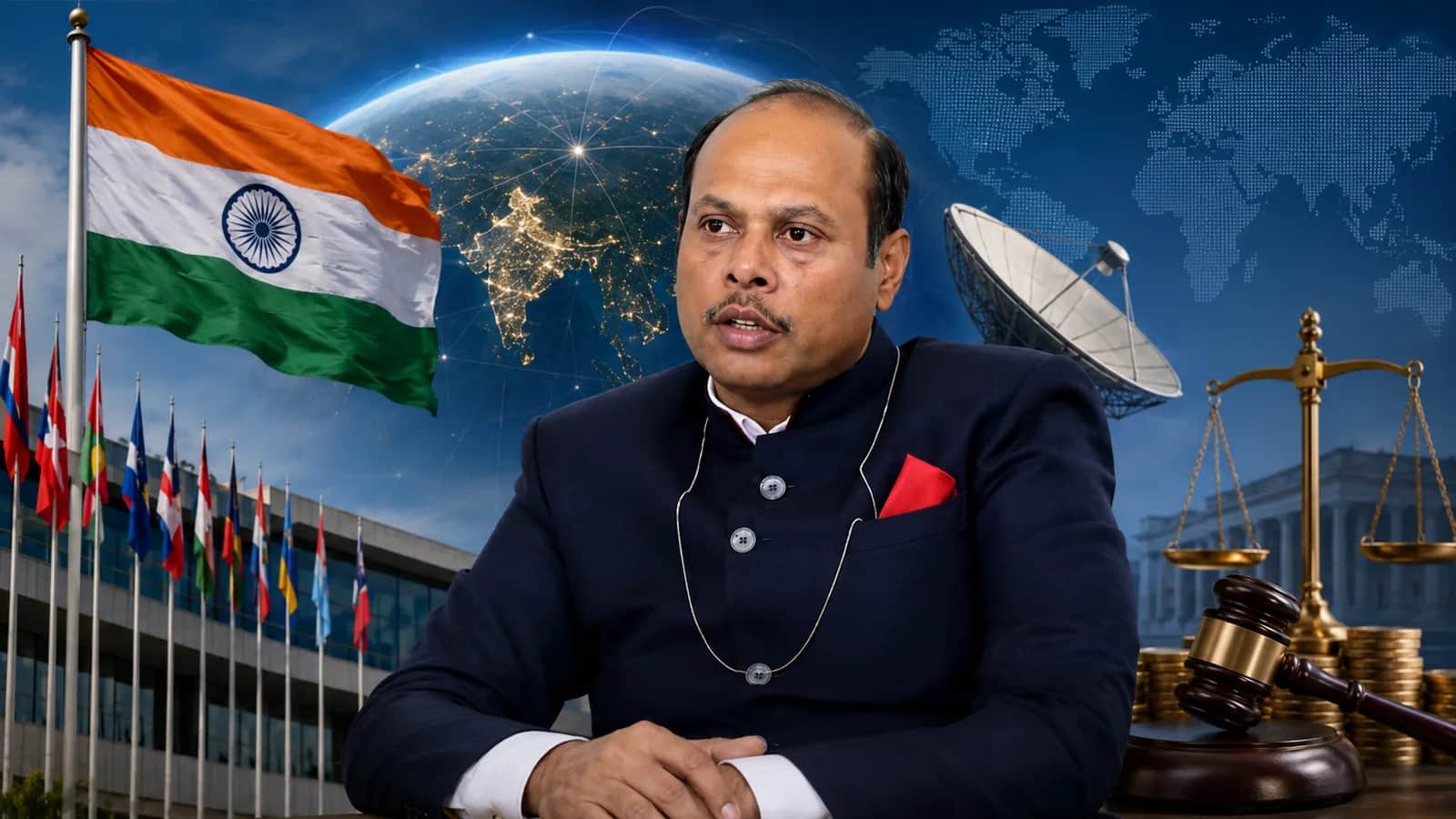
In a significant diplomatic and financial achievement, senior Indian bureaucrat Vivek Aggarwal has been elected Vice President of the Financial Action Task Force (FATF), the global watchdog that sets standards to combat money laundering, terror financing, and proliferation financing. His term will run from July 2026 to June 2027, making India the holder of the FATF vice-presidency for the first time in the organization's history.
The decision was taken during the FATF Plenary in Paris, with the Indian government describing the development as a major victory for India's growing influence in global financial governance. The appointment also strengthens India's chances of eventually assuming the FATF presidency in a future leadership cycle.
Why Should Ordinary Indians Care?
At first glance, FATF may seem like a distant international institution with little relevance to everyday life. But its decisions have a direct impact on economies, banking systems, foreign investments, and efforts to combat terrorism.
When money laundering and terror financing networks operate unchecked, they weaken financial systems and undermine economic growth. Stronger international cooperation against these crimes helps create a more stable financial environment, encourages investment, and strengthens trust in banking institutions. In simple terms, a stronger role for India at FATF means a stronger voice in shaping the rules that govern the global financial system.
The Pakistan Connection
The significance of this development becomes clearer when viewed through the India-Pakistan lens.
For years, FATF has been one of the most powerful international forums scrutinizing Pakistan's efforts to curb terror financing. In 2018, Pakistan was placed on FATF's "Grey List" due to concerns about terrorist financing and money laundering. Remaining on the list created significant economic pressure, making it harder for the country to attract foreign investment and access international financial support.
India has consistently raised concerns about cross-border terrorism and the financial networks that support extremist groups operating in the region. While FATF functions through consensus and technical evaluations rather than political considerations, India's presence in its leadership is being viewed as a diplomatic boost for New Delhi's long-standing efforts to push for greater accountability in combating terror financing.
A Long Journey to the Top
India became a member of FATF in 2010 and has steadily increased its engagement with the organization over the years. Vivek Aggarwal himself is no stranger to the institution. A 1994-batch IAS officer of the Madhya Pradesh cadre, he previously headed India's delegation to FATF and played a key role in presenting India's anti-money laundering and counter-terror financing framework during international evaluations.
His election reflects not only his individual experience but also India's growing credibility in tackling financial crimes. In recent years, India has strengthened its Financial Intelligence Unit, expanded international cooperation, and improved systems for tracking suspicious financial transactions.
More Than a Diplomatic Victory
Beyond the headlines, this is a story about influence. The global fight against terror financing is ultimately about preventing funds from reaching groups that threaten lives and security. For India, a country that has faced the consequences of terrorism for decades, securing a leadership role in FATF carries both symbolic and strategic significance.
As Vivek Aggarwal prepares to assume office in July, India finds itself in a stronger position to contribute to global financial security. The appointment may not immediately change daily life for ordinary citizens, but it signals something larger: India's voice is becoming harder to ignore in the institutions that shape the world's financial and security architecture.
" In a significant diplomatic and financial achievement, senior Indian bureaucrat Vivek Aggarwal has been elected Vice President of the Finan…"