
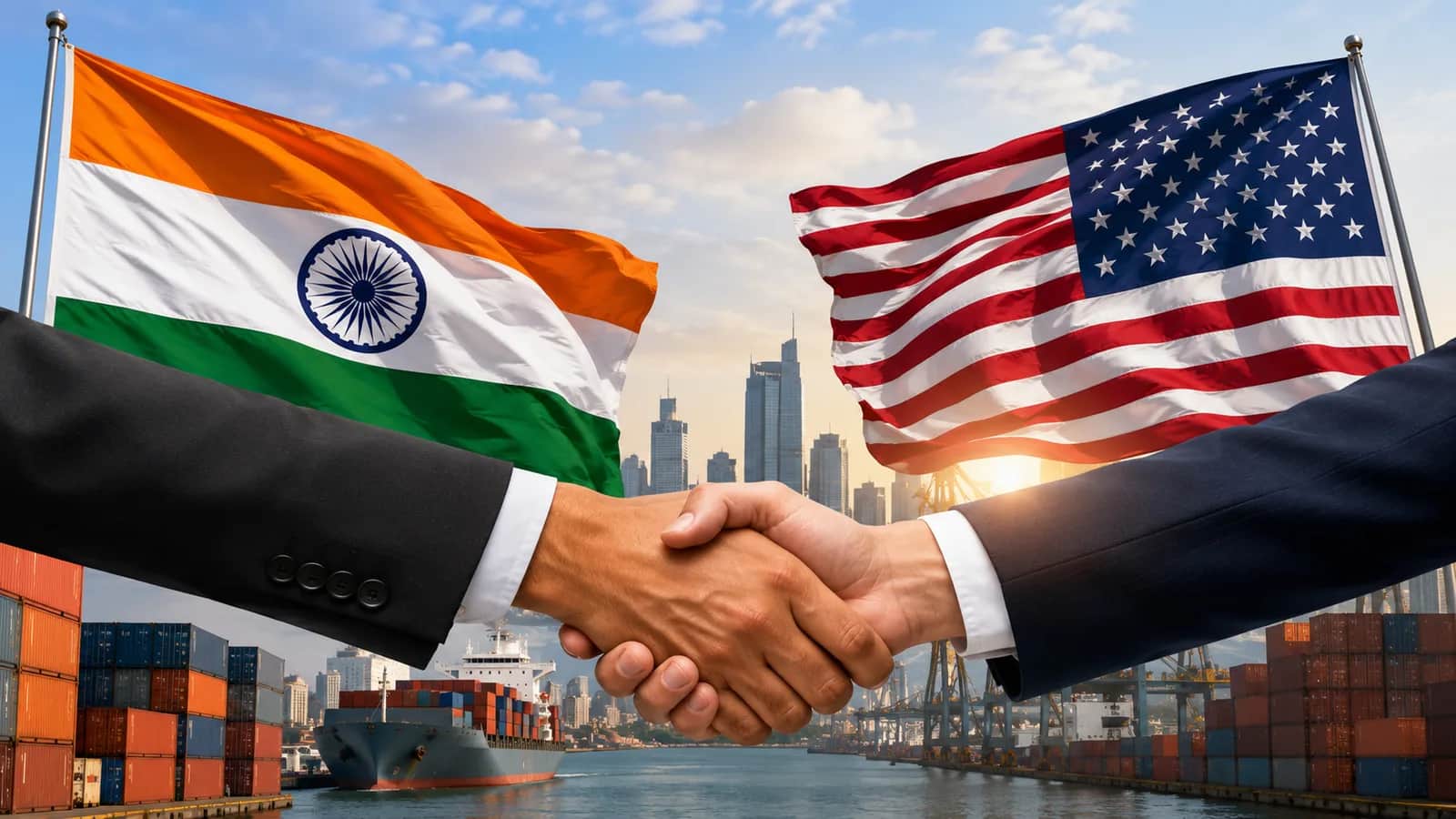
After months of intense negotiations, India and the United States appear to be closer than ever to signing a long-awaited bilateral trade agreement. On June 30, US Ambassador to India Sergio Gor said the negotiations have reached their final stage, with only the last one per cent of discussions left before the deal can be concluded. His remarks have strengthened expectations that both countries could soon announce an agreement that would significantly deepen their economic partnership.
A Long Journey to the Negotiating Table
The current negotiations may have begun around 18 months ago, but efforts to strengthen trade ties between the two nations have been underway for several years. Trade differences became more pronounced in 2019 after the United States ended India's preferential access under the Generalized System of Preferences (GSP), leading to disagreements over tariffs, agricultural products, digital trade and market access. Since then, both governments have continued discussions to resolve these issues. The negotiations gained fresh momentum in February 2025 when Prime Minister Narendra Modi and US President Donald Trump agreed to pursue a Bilateral Trade Agreement while setting an ambitious target of increasing bilateral trade to $500 billion by 2030. Since then, trade officials have held several rounds of talks to bridge the remaining gaps.
Only a Few Hurdles Remain
Speaking at the US-India Strategic Partnership Forum (USISPF) Leadership Summit, Ambassador Sergio Gor said the negotiations are almost complete, with around 99 per cent of the work already finished. According to him, only a few technical and legal issues remain unresolved, and both governments are confident that these can be settled soon. The agreement, once signed, is expected to provide businesses on both sides with greater certainty and a more predictable trading environment.
Tariffs Continue to Be the Biggest Challenge
While most parts of the agreement have reportedly been finalised, tariffs remain the key sticking point. India wants its exporters to receive better tariff treatment than competing manufacturing economies such as Vietnam, Bangladesh, Thailand, Malaysia and Sri Lanka. The government believes that securing this advantage is essential to protecting the competitiveness of Indian goods in the US market.
Commerce Minister Piyush Goyal has repeatedly maintained that India will move ahead only if the agreement delivers clear economic benefits for Indian exporters. Other unresolved issues include market access for select products, customs procedures and certain regulatory provisions.
Why the Agreement Is Significant
The proposed trade pact goes far beyond reducing tariffs. The United States is India's largest trading partner, and both countries see enormous potential to expand cooperation across manufacturing, technology, pharmaceuticals, semiconductors, artificial intelligence, clean energy and critical minerals. A successful agreement is expected to encourage investment, simplify trade procedures, strengthen supply chains and create fresh business opportunities. It also supports the shared objective of increasing bilateral trade to $500 billion by the end of the decade, making the economic relationship stronger than ever before.
A Defining Moment for India-US Economic Relations
The latest update indicates that both governments are now focused on resolving the final issues rather than reopening major areas of disagreement. If the remaining negotiations conclude successfully, the agreement will mark one of the most important milestones in India-US economic relations in recent years. Beyond boosting trade, it is expected to reinforce the broader strategic partnership between the two countries at a time when global supply chains and international trade are undergoing significant change.
"After months of intense negotiations, India and the United States appear to be closer than ever to signing a long-awaited bilateral trade ag…"